A U.S. Policy Change With Cross-Border Consequences
Wildlife doesn't carry a passport, and that's exactly the problem conservation experts are raising after the Trump administration moved to roll back endangered species protections in the United States. Conservation groups have filed suit, arguing the change guts critical habitat safeguards that have been in place for decades. But the fallout, experts say, won't stay south of the border. It's expected to ripple into Canada too.
Which Species Are Affected
At the center of the concern are species that migrate freely between the two countries, treating the border as nothing more than an invisible line on a map. Migratory birds that nest in Canada and winter in the U.S., or vice versa, rely on protected habitat in both nations to complete their life cycles. If American habitat protections weaken, birds could lose critical stopover and wintering grounds, even if their Canadian breeding sites remain untouched.
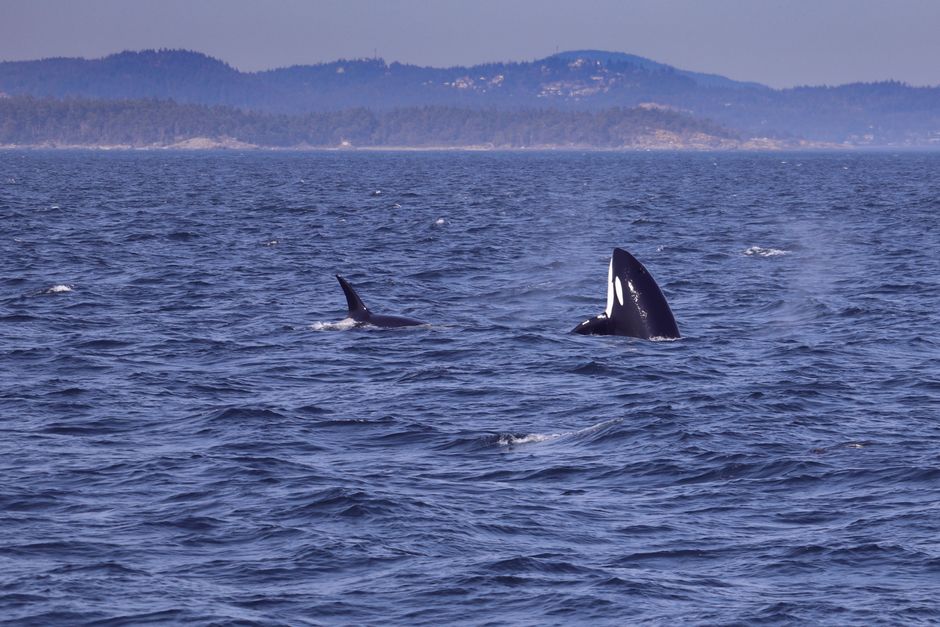
Southern resident killer whales are another flashpoint. This critically endangered population, numbering under 80 individuals, spends time in both Canadian and American waters along the Pacific coast, particularly around the Salish Sea. Protecting them has always required coordinated effort from both countries, a weaker U.S. framework could undercut years of binational conservation work aimed at helping the population recover.
Why Canada Can't Just Go It Alone
Conservationists point out that Canada's own endangered species protections, while generally considered robust on paper, are only part of the equation for animals whose ranges span the continent. Habitat loss or degradation in the U.S. can undo progress made on the Canadian side of a shared population, since these species depend on connected ecosystems rather than protections that stop at a border checkpoint.
That interdependence is exactly what has conservation and legal experts worried. Even if Canadian environmental law stays exactly as strong as it is today, a weakened U.S. Endangered Species Act could still translate into real losses for species Canadians consider part of their own natural heritage.
What Happens Next
The lawsuit from conservation groups against the Trump administration is still working its way through the U.S. court system, and its outcome will determine whether the rollback takes full effect or gets rolled back itself. In the meantime, Canadian wildlife officials and environmental groups are likely to be watching closely, since any erosion of cross-border habitat protection could eventually become a factor in future Canada-U.S. environmental cooperation discussions.
For now, the situation is a reminder that conservation success for shared species, from songbirds to orcas, depends on more than just one country's laws. As this legal battle plays out in Washington, its effects may well be felt from the Pacific coast to points across Canada.
Source: CBC News