A Detour That Turned Into a Dinosaur Discovery
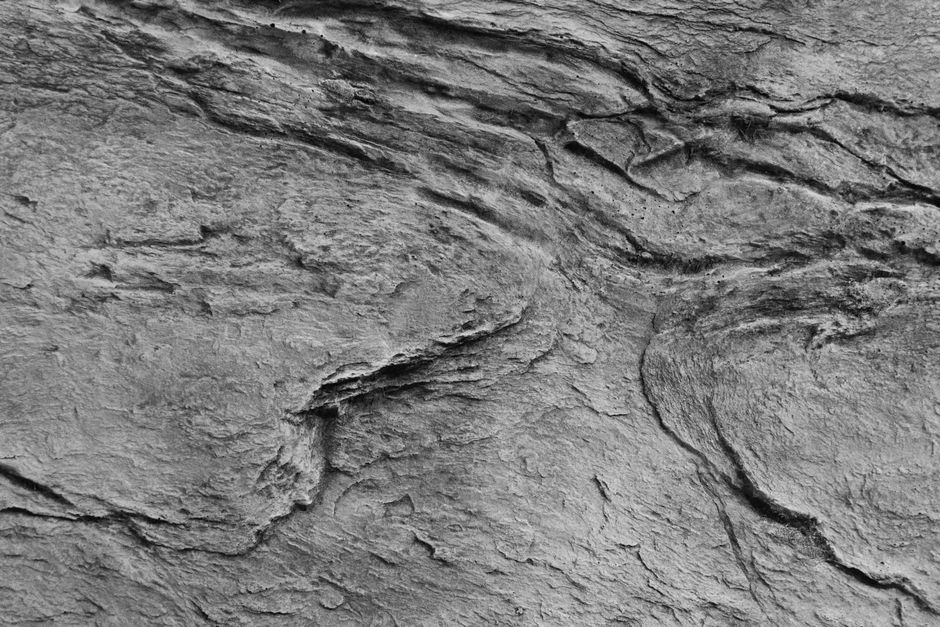
Sometimes the best travel stories start with a wrong turn, or in this case, a curious one. A tourist from Taiwan recently found themselves rerouting through Tumbler Ridge, a small municipality in northeastern British Columbia, and stumbled into something far bigger than a scenic pit stop: a hands-on encounter with a 100-million-year-old dinosaur track.
Tumbler Ridge is one of only five UNESCO Global Geoparks in Canada, a designation that recognizes sites of exceptional geological significance. The area has quietly built a reputation among paleontology circles for its rich concentration of dinosaur trackways and fossils, preserved in rock formations dating back to the Cretaceous period.
Why People Are Flying In From Around the World
What makes Tumbler Ridge stand out isn't just the fossils themselves. It's the access. Unlike many prehistoric sites that are roped off behind glass in a museum, visitors here can get remarkably close to the region's dinosaur past, sometimes even assisting researchers in identifying and documenting new tracks as they're uncovered.
That's exactly what happened with the recent visitor from Taiwan, whose road trip curiosity led to a firsthand role in helping local experts confirm a track site. It's the kind of story that's turning Tumbler Ridge into an unlikely bucket-list destination for international travellers who might otherwise never have heard of the small BC community.
A Geopark Built on Deep Time
UNESCO Global Geoparks are single, unified geographical areas where sites of international geological significance are managed with a holistic approach to protection, education, and sustainable development. Canada currently has five, and Tumbler Ridge's inclusion highlights just how significant the region's fossil record is on a global scale.
The Cretaceous-era tracks found throughout the area offer researchers, and now everyday visitors, a rare, tactile connection to a period when dinosaurs roamed what is now Canadian soil. Local museums and guided tours in Tumbler Ridge have leaned into this, offering programs that let travellers do more than just look: they can learn how paleontologists identify species from footprints alone, and in some cases, take part in real fieldwork.
Putting a Small BC Town on the Map
For a municipality of just a few thousand people, this kind of international attention is a significant boost, both for tourism and for the ongoing scientific research happening in the region. Stories like this one, of a spontaneous detour turning into a meaningful discovery, are exactly the kind of word-of-mouth appeal that's hard to manufacture.
As more travellers make the trip north to see the Geopark for themselves, Tumbler Ridge is proving that some of Canada's most fascinating natural history isn't confined to national parks or big-city museums. It's out there waiting to be found, sometimes by whoever happens to take the scenic route.
Source: CBC News