A Trade Fight Fought in the Liquor Aisle
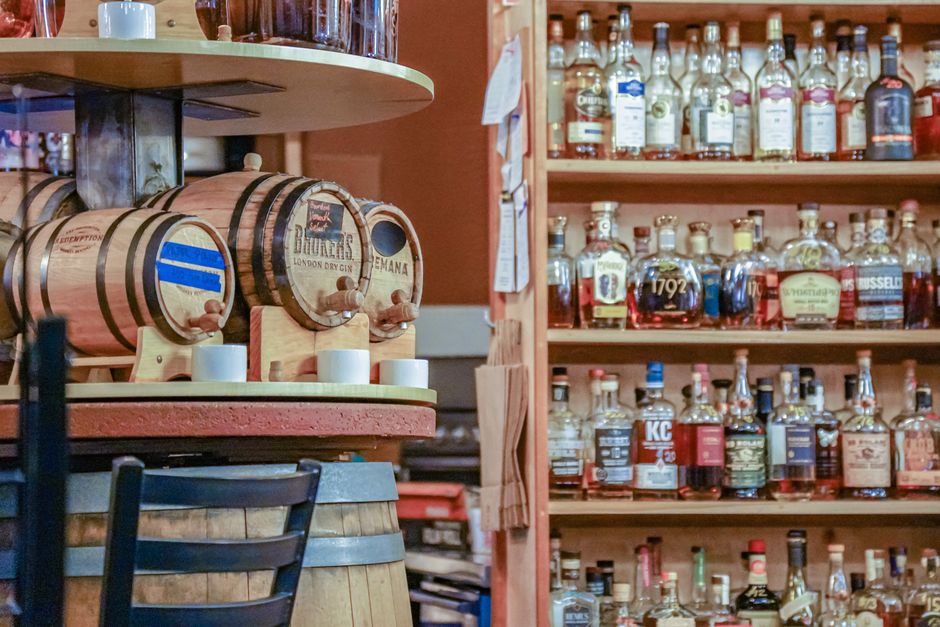
When the trade war between Canada and the United States escalated, provincial liquor boards across the country didn't wait for Ottawa to act, many pulled American beer, wine, whiskey and other spirits off their shelves entirely, turning liquor stores into one of the most visible fronts in the tariff dispute. Bottles of bourbon and California wine that had been staples for decades quietly vanished from LCBO, SAQ and other provincial retailers.
Now, according to a new CBC report, there's growing discussion about whether that American booze could make its way back onto Canadian shelves. But the report raises a pointed question: even if the ban lifts, will Canadians actually buy it again?
A Boycott That Became a Habit
What started as a political statement, a way for everyday Canadians to register their frustration with U.S. trade policy without needing to march on Parliament Hill, appears to have shifted something more lasting in consumer behaviour. Buying Canadian, or at least buying non-American, became an easy and visible act of economic patriotism, one repeated every time someone reached for a bottle at the liquor store.
That kind of habit isn't necessarily undone the moment a ban is lifted. Once shoppers get used to reaching for a Canadian craft distillery's whisky instead of a familiar Kentucky bourbon, or an Ontario VQA wine instead of a Napa Valley red, brand loyalty can shift permanently. Liquor boards and retailers now face a real question: is there still a market for the American products they may soon be allowed to sell again?
What It Means for Retailers and Drinkers
For provincial liquor authorities, restocking decisions aren't purely political anymore. They're business decisions. Shelf space that went to Canadian and international alternatives during the ban may not simply revert back. Retailers will have to weigh actual demand against the symbolic value of restocking U.S. brands at all.
For Canadian consumers, the situation offers a moment of reflection: was the shift away from American alcohol a temporary protest, or has it revealed a genuine appetite for supporting Canadian and other non-U.S. producers long-term? The answer will likely vary by household, by region, and by how the broader trade relationship between the two countries continues to evolve.
While the report doesn't point to a specific timeline for when, or if. American products fully return to shelves nationwide, it's a reminder that trade disputes can leave marks well beyond the negotiating table, reshaping everyday habits in ways that outlast the policies that caused them.
Source: CBC News