An Unlikely Ally South of the Border
As wildfire smoke season ramps up across North America, Canada is once again facing criticism from American officials, including President Donald Trump, who allege the country isn't doing enough to manage its wildfires. But this time, a U.S. senator is stepping up to set the record straight, defending Canada's wildfire response even as her own country deals with blame-shifting over cross-border smoke.
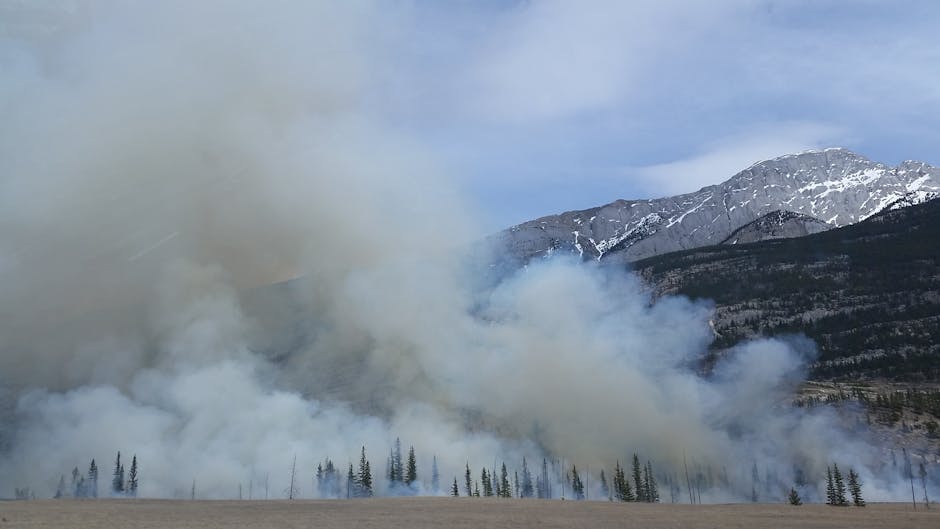
The timing is notable: the pushback comes just as a wildfire that originated in the United States has spread across the border into British Columbia, complicating the narrative that Canadian fires are solely responsible for the smoke drifting into American skies each summer. Wildfire smoke doesn't respect international boundaries, and this latest incident is a reminder that the problem cuts both ways.
A Recurring Political Flashpoint
Wildfire smoke has become an increasingly touchy subject between the two countries in recent years. As fire seasons grow longer and more intense due to climate change, smoke from Canadian wildfires has repeatedly blanketed major U.S. cities, prompting air quality alerts and, at times, pointed political commentary from American leaders. President Trump has been among the most vocal critics, previously suggesting Canada needs to do a better job managing its forests.
But wildfire experts on both sides of the border have long noted that these fires are driven by a complex mix of factors, drought conditions, lightning strikes, remote and difficult-to-access terrain, and climate change, rather than simple mismanagement. The reality is that both countries battle massive, resource-intensive wildfires every year, and cross-border smoke drift is a shared challenge, not a one-way street.
Smoke Doesn't Stop at the Border
The latest wildfire crossing from the U.S. into B.C. underscores that point. It's a rare but telling example of American fire activity directly impacting Canadian communities and air quality, flipping the usual script where Canadian smoke is blamed for hazy skies in cities like Seattle, Chicago, or New York.
For Canadians who've grown used to fielding criticism during wildfire season, having a U.S. senator publicly stand up for the country's firefighting efforts is a notable shift in tone, even if it's unlikely to end the broader political debate anytime soon.
Why It Matters for Canadians
Wildfire smoke has real public health consequences, from respiratory issues to widespread air quality warnings, and it affects communities far beyond the fire lines themselves. As wildfire seasons continue to intensify across the continent, cooperation, rather than finger-pointing, between the U.S. and Canada on fire prevention, resourcing, and cross-border response may prove far more useful than political blame.
Whether this moment of solidarity from a U.S. senator signals a broader shift in tone from American officials remains to be seen.
Source: CBC News