Trade Talks Resume in Washington
Canada's Trade Minister Dominic LeBlanc and chief trade negotiator Janice Charette met Thursday in Washington with U.S. President Donald Trump's top trade envoy, as the two countries work to head off a looming 50% tariff threat that could hit key Canadian exports.
The meeting is the latest round in an ongoing back-and-forth between Ottawa and Washington over trade terms, with both sides under pressure to reach an agreement before new tariff measures take effect. While details of what was discussed haven't been made public, the stakes are high: a 50% tariff on Canadian goods would ripple through industries from manufacturing to agriculture, and could raise prices for consumers on both sides of the border.
Why This Matters for Canadians
Canada and the United States are each other's largest trading partners, and any major shift in tariff policy tends to hit close to home fast, from the cost of groceries to job security in export-reliant sectors like steel, aluminum, and auto manufacturing. Ontario, home to a huge share of Canada's manufacturing base, has particular reason to watch these talks closely, since a large percentage of the province's exports cross the border into the U.S. daily.
LeBlanc has been Canada's point person on the trade file for months, working alongside Charette, a veteran diplomat brought in to help steer negotiations through a period of unusual volatility in Canada-U.S. relations. Their Washington trip signals Ottawa is treating the tariff threat as urgent enough to warrant direct, high-level engagement rather than waiting it out.
What Happens Next
No resolution was announced following Thursday's meeting, and it's unclear when the two sides might reach a deal: or whether the tariffs will proceed as threatened. Trade negotiations of this scale often stretch on for weeks or months, with officials shuttling between capitals as deadlines approach.
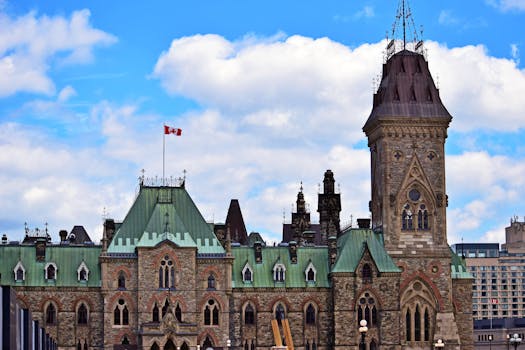
For now, businesses that depend on cross-border trade are left watching closely, given how quickly tariff decisions can reshape supply chains and pricing. Given Ottawa's role as the seat of federal government, expect Parliament Hill to remain the epicentre of Canada's response as this story develops, with further updates likely as talks continue.
Source: CBC News