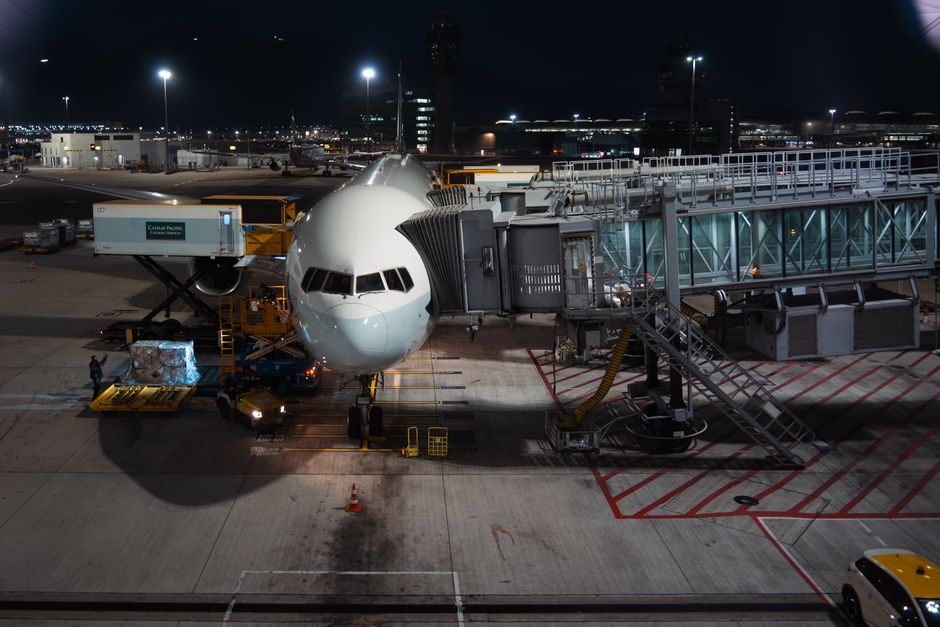
WestJet Takes Precautionary Steps
WestJet is starting to park planes as the airline prepares for the possibility of a strike, a move that signals just how seriously it's taking the threat of a looming labour disruption. For an airline that carries millions of Canadians every year, pulling aircraft out of active rotation ahead of time is a clear sign that WestJet wants to avoid the kind of chaos that can unfold when a strike hits mid-schedule.
Why Airlines Park Planes Before a Strike
When a strike is on the horizon, airlines often start winding down operations in phases rather than waiting for a walkout to begin. Parking aircraft ahead of time allows a carrier to manage its fleet more predictably, reduce the number of passengers stranded mid-journey, and give ground crews and scheduling teams a chance to adjust before things potentially grind to a halt. It's a defensive move, essentially a way of getting ahead of the disruption instead of reacting to it after the fact.
WestJet hasn't detailed publicly exactly how many aircraft are being taken out of service or on what timeline the parkings will continue, but the fact that the airline is acting now, before any strike has officially started, shows it's treating the threat as real and imminent.
What It Means for Travelers
For anyone with an upcoming WestJet flight, this is the kind of news that's worth paying attention to. Airlines don't typically start parking planes unless they believe disruption is a serious possibility, and travelers booked on WestJet in the near future should keep an eye on their email and the airline's official channels for updates on their specific flights.
It's also worth remembering that these situations can move quickly. A labour dispute can be resolved at the last minute, or it can escalate into a full strike with little notice, so flexibility is going to be key for anyone flying with WestJet while this situation develops.
Ripple Effects Across the Country
WestJet is one of Canada's two major airlines, so any operational disruption tends to be felt well beyond the passengers directly affected. When one big carrier scales back capacity, it can put pressure on other airlines' fares and availability as travelers scramble for alternatives, and it can complicate connections for anyone relying on WestJet as part of a multi-leg trip.
What to Watch For
As this story develops, the key things to watch are whether a deal gets reached before a strike deadline, how many flights end up affected, and how WestJet communicates changes to passengers who already have tickets booked. For now, the airline's decision to start parking planes is the clearest signal yet that a strike remains a real possibility, and travelers should plan accordingly.
Source: CBC News