A Growing Threat Across the Country
Wildfire season in Canada isn't what it used to be. Once a summer concern mostly for remote forested regions, it now regularly threatens entire towns, chokes cities with smoke for weeks at a time, and forces mass evacuations that stretch emergency services thin. Year after year, the list of communities damaged or destroyed by wildfires keeps growing, raising a hard question: why hasn't the country's approach to preparedness kept up?
The Pattern Is Getting Harder to Ignore
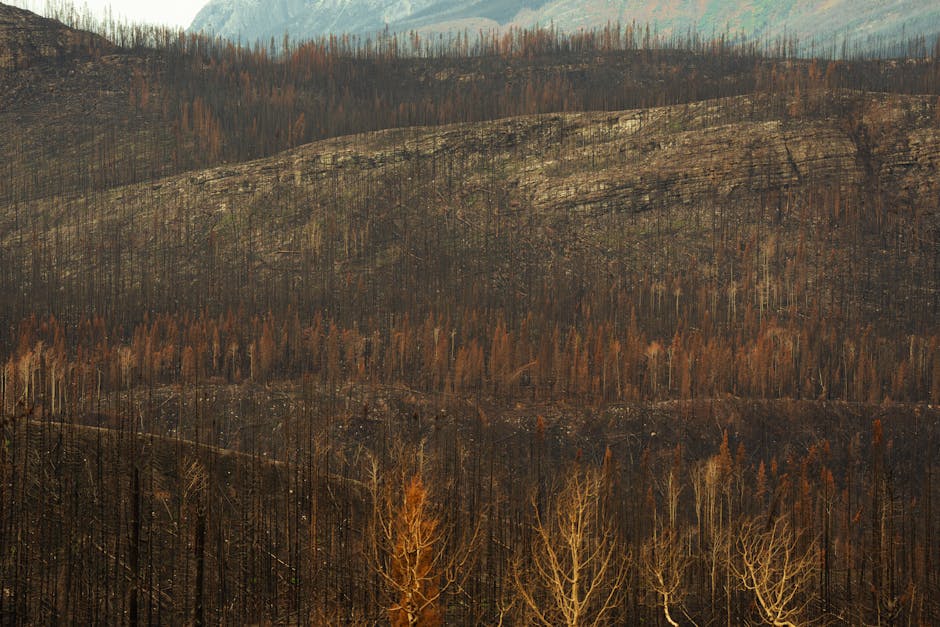
Fire seasons that used to be considered exceptional are becoming the norm. Hotter, drier summers combined with decades of forest management practices that prioritized fire suppression over controlled burns have left many regions with dense, fuel-heavy forests that burn hotter and spread faster when a fire does start. Add stronger winds and prolonged droughts to the mix, and the result is fires that are more intense, harder to contain, and increasingly close to where people actually live.
Communities on the edges of forested areas, sometimes called the wildland-urban interface, are especially exposed. As more development pushes into these zones, more homes and infrastructure end up directly in the path of fires that, a generation ago, might have burned through unpopulated bush.
Why Readiness Keeps Falling Short
Part of the problem is structural. Wildfire response in Canada is largely coordinated at the provincial level, which can make it harder to plan and fund long-term national strategies. Firefighting crews, aircraft, and equipment are often stretched across multiple simultaneous fires, and when several provinces need help at once, there simply aren't enough resources to go around.
Prevention work, thinning forests, clearing brush near communities, and reintroducing controlled burns, takes sustained investment and long timelines to show results. That kind of unglamorous, ongoing work can be a tough sell politically compared to emergency response funding that gets approved once a crisis is already underway.
There's also the matter of building codes and community planning. Fire-resistant construction materials, defensible space around homes, and evacuation infrastructure all help reduce damage, but retrofitting existing communities is expensive and slow, and new development doesn't always follow the strictest standards.
What Better Preparedness Could Look Like
Experts point to a few consistent themes: more investment in prevention rather than just response, better coordination between federal and provincial governments so resources can move where they're needed faster, and more consultation with Indigenous communities, many of whom have long practiced controlled, low-intensity burning as a way to manage forest health and reduce fuel loads.
There's also a growing push for Canadians living in fire-prone areas to have clear evacuation plans and to understand their own risk, rather than assuming a fire is something that only happens to other communities.
As wildfire seasons continue to intensify, the conversation is shifting from whether Canada needs a more coordinated national approach to fire management, to how quickly one can realistically be built, before the next devastating season arrives.
Source: CBC