Smoke in the air, headaches in the ER
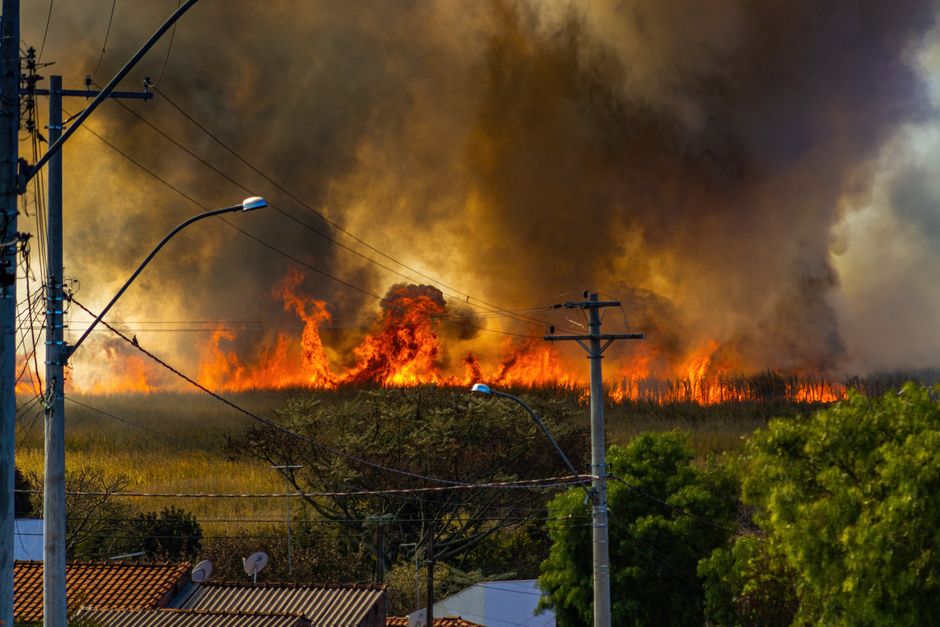
Wildfire season has become a fact of life across Canada, and a new study from Health Canada researchers is adding another item to the list of health effects to watch for: migraines. The research found a six per cent increase in headache-related hospital visits during periods when wildfire smoke pushed particulate matter levels higher than normal.
Particulate matter, the tiny airborne particles found in wildfire smoke, is already linked to respiratory and cardiovascular problems. This new research suggests the same smoke-filled air may also be triggering or worsening headache disorders severe enough to send people to the emergency room.
What the researchers found
The study tracked hospital visit data alongside air quality readings during wildfire smoke events, comparing headache-related ER trips during smoky periods to those on clearer days. Researchers found the increase in visits tracked closely with spikes in particulate matter, pointing to a plausible link between smoke exposure and severe headache episodes requiring emergency care.
While the exact biological mechanism isn't fully understood, the pattern adds migraines and severe headaches to the growing list of conditions, alongside asthma, heart problems, and other respiratory issues. That public health officials watch for during smoke advisories.
Why it matters for Canadians
Wildfire smoke has repeatedly blanketed cities across the country in recent years, from British Columbia to Quebec, sending air quality indexes soaring and prompting advisories urging residents to stay indoors. This latest research gives people who suffer from migraines another reason to take those advisories seriously, particularly since headache disorders are common and can be debilitating.
For migraine sufferers, the findings suggest that keeping an eye on local air quality index readings during wildfire season could be a useful part of managing symptoms, alongside already-known triggers like stress, weather changes, and dehydration. Staying indoors with windows closed, using air purifiers, and wearing well-fitted masks outdoors during smoke events are among the standard recommendations from health officials for reducing exposure to particulate matter.
The bigger picture
As wildfire seasons grow more intense and widespread across the country, researchers say tracking health outcomes tied to smoke exposure will become increasingly important for public health planning. Understanding which conditions are most affected, and by how much, helps health systems anticipate surges in demand and helps individuals protect themselves during high-risk periods.
With wildfire smoke now a near-annual occurrence in many Canadian regions, findings like these underscore that the effects of a changing climate reach beyond respiratory health into everyday conditions like headaches and migraines that affect millions of Canadians.
Source: CBC Health