A Different Picture at the Border
For months, U.S. President Donald Trump has pointed north, accusing Canada of letting illegal drugs and traffickers pour across the border into the United States. But spend a couple of days actually watching the border work, and the story looks a lot less one-sided.
CBC News recently embedded with U.S. Customs and Border Protection (CBP) agents in and around Detroit, directly across the river from Windsor, Ontario, one of the busiest international crossings in North America. What they found wasn't a wave of threats flowing exclusively from Canada into the U.S. Instead, officers described a border where risk moves in both directions, with smuggling, contraband, and criminal activity crossing from the American side into Canada just as often as the reverse.
Why This Matters for Ontario
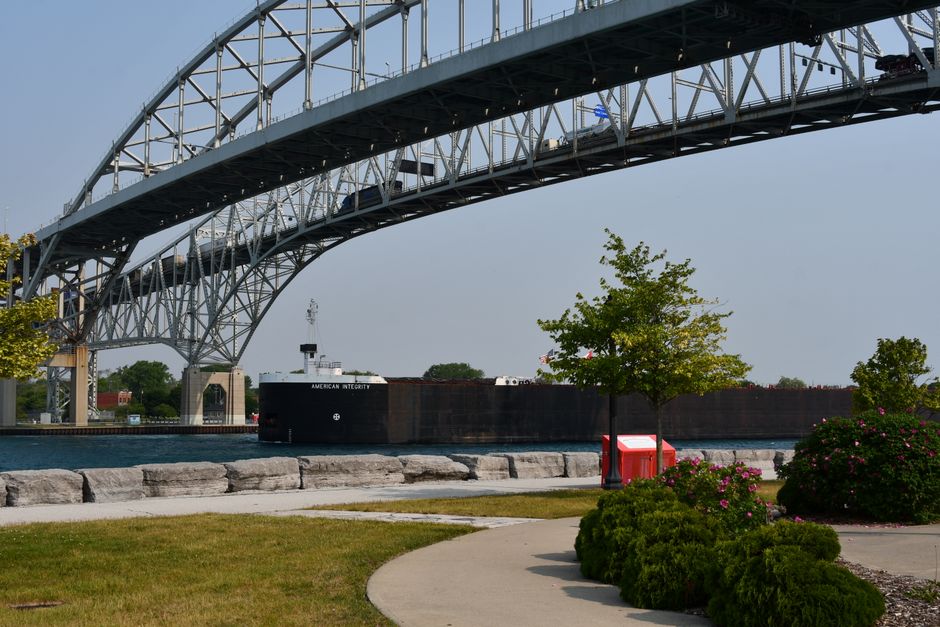
The Windsor-Detroit corridor isn't some remote checkpoint. It's the single busiest commercial border crossing between Canada and the United States, carrying billions of dollars in trade and tens of thousands of vehicles every single day. Roughly a quarter of all trade between the two countries passes through this one crossing via the Ambassador Bridge and the Gordie Howe International Bridge.
That makes rhetoric about the border a direct economic and security issue for Ontario, not just an abstract political talking point out of Washington. Trump's tariff threats have repeatedly cited border security concerns as justification, and Windsor's economy, heavily tied to auto manufacturing and cross-border supply chains, has already felt the ripple effects of those tensions.
What CBP Officers Actually Said
According to the CBC report, agents on the ground painted a more nuanced picture than the political messaging coming out of Washington. Rather than describing an overwhelming flow of drugs and traffickers moving from Canada southward, officers pointed to bidirectional risks, including smuggling activity originating on the U.S. side that flows into Canada.
This matters because the numbers have long backed up a more measured view: the vast majority of fentanyl and hard narcotics seized at U.S. borders comes from the southern border with Mexico, not the northern border with Canada. Yet the northern border has increasingly become part of the political conversation around tariffs and trade threats aimed at Canada.
The Bigger Picture
For a border community like Windsor, and for the broader Ontario economy that depends on smooth cross-border trade, an accurate picture of what's actually happening at checkpoints matters. Overblown claims about northern border threats have real consequences. They've been used to justify tariff threats that hit Ontario's auto sector and manufacturing base hardest.
The on-the-ground reporting suggests the reality is far more complicated than a simple narrative of Canada as a source of danger flowing south. Both sides of the Windsor-Detroit crossing face their own security challenges, and treating the border as a one-way threat misses a big part of what officers who work it every day are actually seeing.
Source: CBC News