Ottawa is where Tracy Bacenas, an Emmy-nominated editor whose credits include Survivor, The Amazing Race and The Bachelor, found the care that saved her from a rare form of bone cancer, thanks to a custom 3D-printed pelvis implant built right here in the city.
A career built on storytelling, upended by diagnosis
Bacenas has spent decades in the editing bay shaping some of the biggest reality TV franchises on television, work that demands sharp instincts and long hours under pressure. That career came to an abrupt pause when she was diagnosed with a rare form of pelvic bone cancer, the kind of diagnosis that often means major reconstructive surgery and, historically, a long recovery with limited options for restoring normal movement.
Why the Ottawa angle matters
What makes this story stand out for Ottawa readers is that Bacenas did not need to travel to a major U.S. hospital or a specialized international clinic to get cutting-edge treatment. Surgeons in Ottawa were able to design and use a custom 3D-printed pelvis implant tailored to her exact anatomy, a level of precision that standard off-the-shelf implants cannot match. It is a reminder that Ottawa's hospitals and medical technology sector are increasingly capable of handling complex, rare cases without patients needing to leave the region.
How custom 3D printing changes pelvic surgery
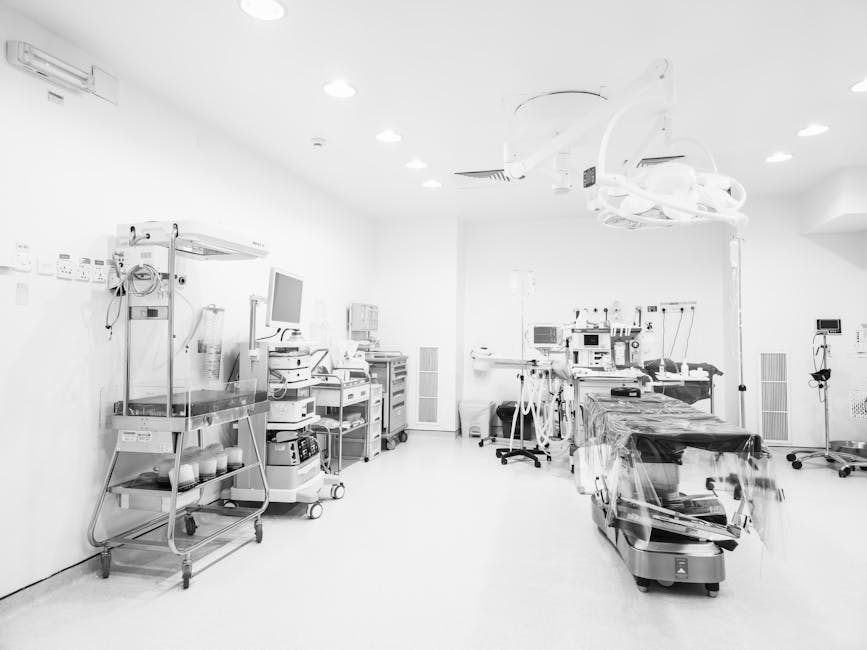
Traditional pelvic reconstruction after tumour removal often relies on generic metal implants that need to be adjusted in the operating room, adding time and uncertainty to already difficult surgeries. A custom-printed implant, by contrast, is modelled from the patient's own imaging before surgery even begins, so the piece fits the exact gap left by the tumour. For a rare cancer like the one Bacenas faced, that kind of precision can mean the difference between a long, uncertain recovery and a more predictable path back to mobility.
Part of a bigger trend in Ottawa's health tech scene
This case fits into a broader pattern of Ottawa hospitals and researchers leaning on advanced manufacturing and medical technology to treat conditions that once required travelling to bigger centres. As 3D printing technology becomes more accessible and more precise, it is opening the door for local surgical teams to take on cases that would have been referred elsewhere just a few years ago. For a city that is often associated with government and tech sector jobs, it is a good example of how that same innovation ecosystem extends into healthcare.
What it means for patients
For Ottawa residents facing rare or complex diagnoses, Bacenas's story is a sign that advanced treatment options are increasingly available locally. It also underscores the value of the city's hospital network investing in technology that supports individualized care rather than one-size-fits-all solutions.
Bacenas is now back at work after her treatment, continuing the television editing career that made her name, with her recovery credited in part to the custom implant designed and used in Ottawa.
Source: Ottawa Business Journal