Ottawa sits at the heart of Algonquin territory, and a dispute playing out just upstream is putting new attention on how the region's waterways, and the people who've lived along them for centuries, have been affected by decades of industrial development.
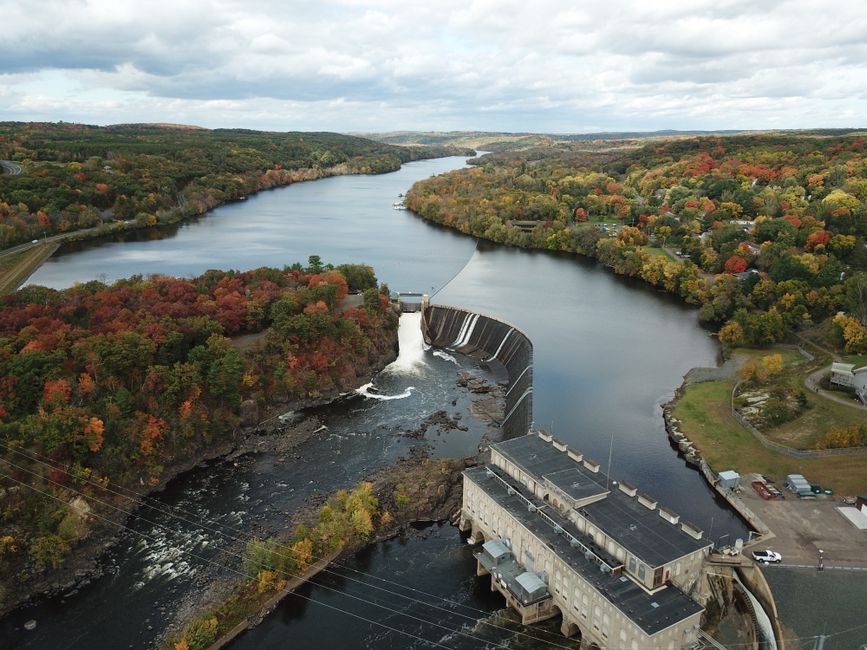
Chiefs from four Algonquin First Nations say they're growing increasingly frustrated with Hydro-Québec, accusing the utility of showing little genuine interest in settling a long-running compensation claim tied to the damming of a key watershed. The dams in question have altered water levels and ecosystems that Algonquin communities have depended on for hunting, fishing, and cultural practices for generations, long before provincial borders or utility companies existed to manage the flow of the rivers that feed into the Ottawa River system.
Why This Matters for Ottawa
The Ottawa River and its watershed form the backbone of the National Capital Region, shaping everything from the city's drinking water to its recreational shoreline and the Rideau Canal's connection to the broader river network. Algonquin Anishinabeg territory encompasses much of the Ottawa Valley, meaning decisions about compensation for damage to upstream watersheds have direct implications for the land Ottawa itself is built on. Many Ottawa residents may not realize that the capital sits on unceded Algonquin territory, and disputes like this one are a reminder that questions of land, water rights, and historical harm remain very much unresolved.
What the Chiefs Are Saying
According to the chiefs, talks with Hydro-Québec over compensation for the decades-old damming have stalled, with the utility appearing unwilling to meaningfully engage on the scale of harm caused to Algonquin communities. The dams have long-term consequences, altering fish populations, flooding traditional lands, and disrupting travel routes and gathering sites that predate colonial settlement in the Ottawa area by thousands of years.
The frustration expressed by the chiefs reflects a broader pattern seen across Canada, where Indigenous nations have had to fight for years, sometimes decades, to get utilities and governments to the table over environmental and economic harms tied to hydroelectric development.
A Local Reminder of Ongoing Reconciliation Work
For Ottawa residents, this story is a useful reminder that reconciliation isn't just a historical conversation. It's an active, ongoing negotiation happening in communities not far from the city's own riverbanks. As Ottawa continues to grow and develop its own waterfront spaces along the Ottawa River, understanding the unresolved claims of the Algonquin nations whose territory the city occupies adds important context to how the region's land and water have been shared, used, and sometimes exploited.
The outcome of these compensation talks could set a precedent for how similar disputes are handled going forward, both in the Ottawa Valley and across the province.
Source: CBC Ottawa