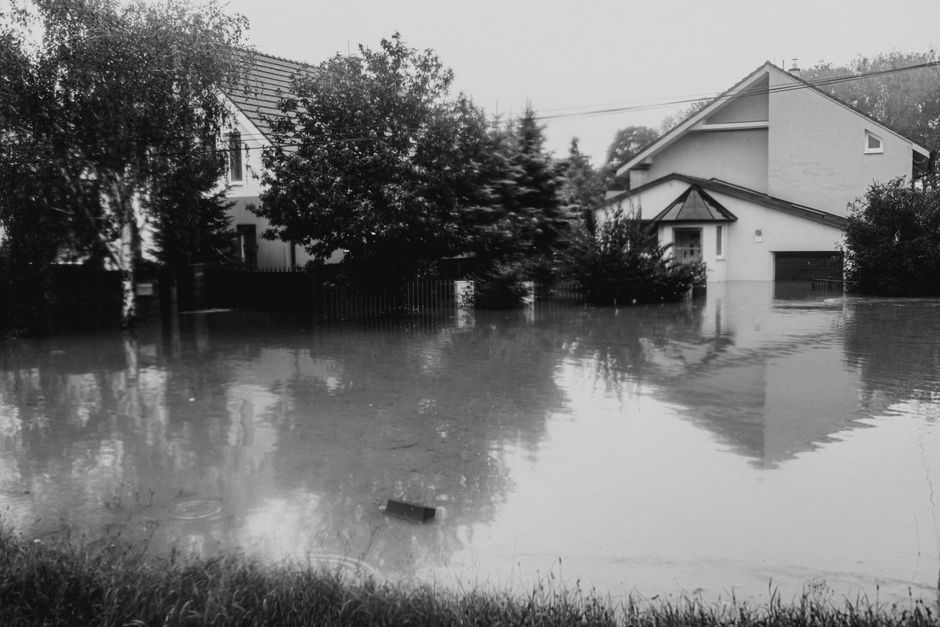
Ottawa is still reckoning with the damage from this summer's Canada Day storm, and researchers at Carleton University say some of the worst flooding could have been avoided with a straightforward preventative step.
According to reporting from CBC's Matthew Kupfer, Carleton researchers examined one of the city's hardest hit older neighbourhoods after the July 1 deluge dumped an enormous amount of rain on Ottawa in a short window, overwhelming storm drains, flooding basements, and leaving residents bailing out water long after the skies cleared. Their findings point to a familiar but often overlooked culprit in older parts of the city: aging infrastructure that was never designed for the intensity of rainfall Ottawa is now seeing.
Why older neighbourhoods took the hardest hit
Many of Ottawa's older communities were built with stormwater systems designed decades ago, long before climate change started pushing summer storms toward the kind of short, intense downpours that hit the city on Canada Day. When that much rain falls that fast, pipes and catch basins sized for a gentler era simply can't keep up, and water backs up into streets, yards and basements.
The Carleton team's research suggests that a relatively simple preventative measure, rather than a wholesale reconstruction of underground infrastructure, could meaningfully reduce the risk of this kind of flooding in vulnerable neighbourhoods. That is a notable finding for a city facing a long and expensive list of aging pipes to replace, since it suggests targeted, lower cost interventions could buy real protection while bigger capital projects work their way through the budget queue.
What this means for Ottawa going forward
For Ottawa residents in older neighbourhoods, especially those who spent early July mopping out flooded basements, the research offers a bit of hope that City Hall doesn't need to wait years for major sewer upgrades to make a dent in flood risk. It also adds to a growing body of evidence that Ottawa's stormwater planning needs to catch up with the reality of more frequent extreme weather events, rather than the historical rainfall averages many systems were originally built around.
The city has faced scrutiny before over how it handles severe storms, and the Canada Day flooding renewed calls from residents and councillors alike for the city to move faster on climate adaptation. Findings like these from Carleton researchers give city planners a concrete, evidence backed option to weigh as they decide where to spend limited infrastructure dollars next.
As Ottawa heads into another storm season, the hope is that lessons from this year's flooding, and research like this, translate into real changes on the ground rather than another report that sits on a shelf.
Source: CBC News