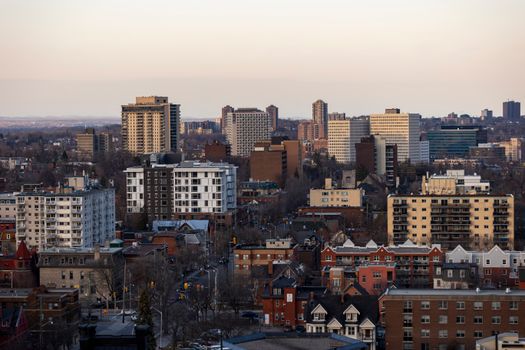
Ottawa's housing market hit a rough patch in April, as new construction activity dropped sharply with housing starts falling 39 per cent year-over-year, according to new data reported by CTV News.
The decline is a notable reversal after years of relatively strong building activity in the capital region, and it's drawing attention from housing advocates, prospective buyers, and industry watchers alike.
What Are Housing Starts, And Why Do They Matter?
Housing starts measure the number of new residential construction projects that have broken ground in a given period. They're one of the most closely watched indicators of where the housing market is headed, more starts generally means more supply coming down the pipeline, which can help ease pressure on prices and rents.
When starts fall sharply, as they did in Ottawa this April, it signals that builders are pulling back. That could mean fewer new homes available over the next one to two years, which risks tightening an already competitive market.
Why Are Builders Pulling Back?
Several factors are likely contributing to the slowdown. Higher interest rates over the past few years have made construction financing more expensive, squeezing builder margins. At the same time, material costs remain elevated and labour shortages in the trades continue to be a persistent challenge across Ontario.
There's also the demand side of the equation: with mortgage rates still relatively high compared to the pre-2022 era, some potential buyers are sitting on the fence, making developers more cautious about launching new projects.
What It Means for Ottawa Renters and Buyers
For anyone hoping that new supply would help cool Ottawa's housing costs, this data is a setback. Fewer starts today means fewer completions 18 to 24 months from now, right when many analysts had hoped new inventory would help stabilize prices.
Ottawa has faced a chronic shortage of purpose-built rental units and affordable starter homes. A 39 per cent year-over-year drop in April starts, if sustained, could deepen that shortage and put renewed upward pressure on both purchase prices and rents heading into 2027.
First-time buyers already navigating a difficult market may find the path to homeownership even steeper if supply continues to lag demand.
A Broader National Trend
Ottawa isn't alone. Housing starts have softened in several major Canadian cities as the construction industry adjusts to the new interest rate environment. The federal government has made housing a central policy priority, with targets to dramatically increase supply over the coming decade, but bridging the gap between policy ambitions and actual shovels in the ground remains a significant challenge.
What Comes Next
Industry observers will be watching closely to see whether April's dip is a one-month blip or the start of a more sustained pullback. If the Bank of Canada continues its rate-cutting cycle through 2026, cheaper financing could encourage builders to move forward with projects that have been sitting on hold.
For now, Ottawa residents looking to buy or rent should expect the supply side of the market to remain tight, and should factor that into their planning accordingly.
Source: CTV News Ottawa. Data reflects Canada Mortgage and Housing Corporation (CMHC) housing start figures for the Ottawa region, April 2026.