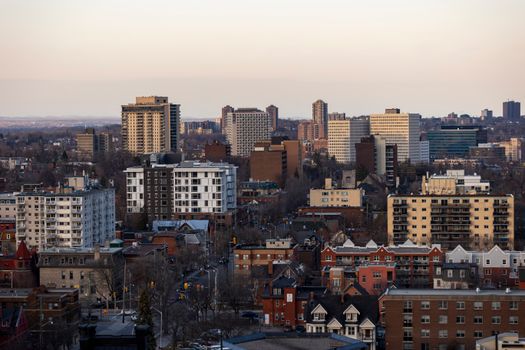
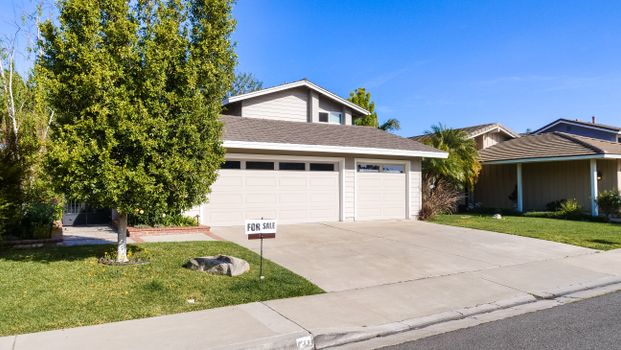
Ottawa has a way of turning a simple housing decision into an existential crisis. One minute you're browsing Centretown rental listings; the next, you're four pages deep in a mortgage amortization calculator wondering if you're a Glebe-townhouse person, a Westboro-condo person, or just someone who's suddenly very concerned about yard drainage.
The monthly payment is the obvious place to start. But if you're weighing renting against buying in Ottawa right now, the payment is only the beginning of the conversation.
The Real Cost of Buying
The sticker price on an Ottawa home is just the opening act. Before you even get your keys, you're looking at:
- Land transfer tax: Ontario charges it, and Ottawa adds a municipal layer on top
- Closing costs: typically 1.5% to 4% of the purchase price in legal fees, title insurance, and adjustments
- Home inspection: non-negotiable in this market
- Ongoing maintenance: the standard rule of thumb is 1% of your home's value per year, which on a $600K property means $6,000 annually just to keep things running
That same $600K home could cost you $10,000–$24,000 before you move a single box in. That's real money that builds zero equity.
The Real Cost of Renting
Renting gets dismissed as "throwing money away," but that framing misses the point. In Ottawa's rental market, a two-bedroom in walkable neighbourhoods like Hintonburg, the Glebe, or Vanier typically runs $2,000–$2,800/month. You're not building equity, but you're also not calling a plumber at midnight in February on your own dime.
There's also the opportunity cost of a down payment. A $100,000 down payment invested in a diversified portfolio has historically outpaced many Ottawa real estate markets over comparable periods. That's not an argument against buying. It's a reminder that renting isn't financially irrational.
What Ottawa's Market Looks Like Right Now
Ottawa's housing market has cooled meaningfully since the frenzied peaks of 2021–2022. Buyers have more negotiating room, and bidding wars have largely eased in most price brackets. That said, elevated interest rates have hammered purchasing power, the same mortgage payment buys significantly less house than it did three years ago.
On the rental side, Ottawa's vacancy rate remains tight, especially for well-located purpose-built units. Rents have climbed steadily, and landlords still hold leverage in desirable areas. Neither side of the ledger is particularly forgiving right now.
Questions Worth Asking Yourself
Before committing either way, be honest about a few things:
- How long are you staying? The break-even point on buying in Ottawa, once you factor in transaction costs on both ends, is typically four to six years.
- How stable is your income? A mortgage is a fixed obligation regardless of what changes in your life.
- Do you actually want the responsibility? Ownership means managing repairs, contractors, and the psychological weight of your largest financial asset.
- How much do you value flexibility? The ability to move neighbourhoods, cities, or countries has real and underappreciated value.
The Bottom Line
There's no universal right answer for Ottawa residents facing this decision. It comes down to your finances, your timeline, your neighbourhood target, and what you genuinely want from your living situation. The best move is to talk to a mortgage broker and a fee-only financial planner, someone who earns no commission on your choice, before deciding anything.
Ottawa has both. Use them.
Source: Ottawa Life Magazine