Ottawa's Westboro neighbourhood is no stranger to change, but the partial demolition of a former convent to make way for new housing is the kind of story that gets locals talking, a collision of heritage, housing need, and neighbourhood identity that's playing out across the capital.
What's Happening at the Former Convent
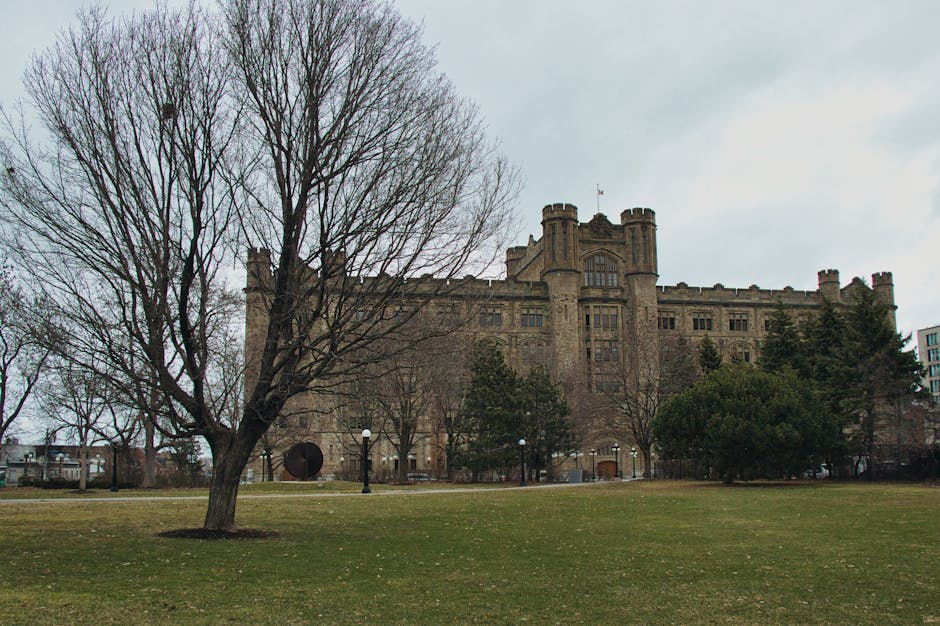
A section of the former Westboro convent is set to be demolished as part of an approved housing development, according to a report by CTV News. While part of the historic structure will come down, the project appears to involve a mixed approach, retaining some of the original building while adding new residential units to the site.
This kind of partial preservation has become increasingly common in Ottawa as developers and the city try to balance heritage conservation with the urgent need for new housing stock. Tearing down everything isn't always the answer, and communities often push back hard when beloved buildings disappear overnight.
Westboro: High Demand, Limited Space
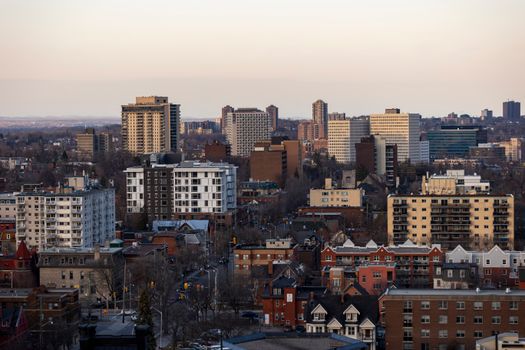
Westboro is one of Ottawa's most desirable inner-city neighbourhoods. Bordered by the Ottawa River to the north and Richmond Road's café-and-boutique strip as its main artery, it draws young families, professionals, and long-time residents who aren't moving anytime soon. That desirability, however, comes with a price, both literally and in terms of available land.
Infill development and adaptive reuse of older institutional properties (churches, schools, convents) have become key tools for adding density without sprawl. The Westboro convent site represents exactly the kind of opportunity city planners have been eyeing as Ottawa works toward its intensification targets under provincial housing legislation.
The Heritage Question
Any time a historic building faces the wrecking ball, even partially, heritage advocates take notice. Convents and other religious institutional buildings often hold architectural and cultural significance that goes beyond their square footage. They're landmarks in the truest sense: places that generations of residents have used to orient themselves in their own neighbourhoods.
The fact that only a section of the building is slated for demolition suggests some effort to preserve the site's character. How much of the original structure survives, and how well the new development integrates with it, will likely determine how the community ultimately receives the project.
Ottawa's Broader Housing Push
This development is one of many playing out across Ottawa right now. The city has been under pressure, from Queen's Park, from the federal government, and from a growing population, to approve more housing faster. Rezoning along transit corridors, secondary suite incentives, and exactly these kinds of institutional land conversions are all part of the playbook.
For Westboro specifically, new density is a double-edged sword. Residents want the neighbourhood to remain liveable and walkable, but housing affordability is a genuine concern for people trying to stay in or move into the area.
Whether this convent project threads that needle remains to be seen, but it's a conversation Ottawa is going to keep having for years to come.
Source: CTV News Ottawa