Ottawa is keeping a close eye on a major development just across the provincial border, where Hydro-Québec is considering forgiving more than $250 million in unpaid electricity bills owed by members of some First Nations and Inuit communities in Quebec.
What's Happening
A report commissioned by Hydro-Québec is recommending the utility wipe the slate clean on hundreds of millions of dollars in accumulated power debt, rather than continuing to pursue collection from individual households and communities. Crucially, the report also suggests letting the communities themselves decide how the forgiven debt, and any future billing arrangements: should be structured going forward, rather than imposing a one-size-fits-all provincial policy.
The debts have built up over years, often in remote and northern communities where housing costs, energy poverty, and infrastructure gaps have made it difficult for residents to keep up with utility payments. Advocates have long argued that punitive collection practices, including service disconnections, disproportionately harm Indigenous communities already dealing with underfunded housing and higher costs of living.
Why Ottawa Is Paying Attention
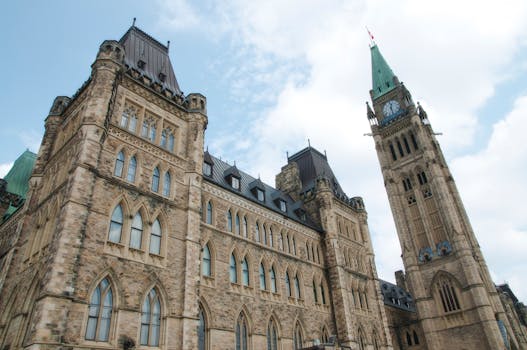
While Hydro-Québec is a provincial Crown corporation and this decision rests with the Quebec government, the ripple effects are being felt in Ottawa, home to Indigenous Services Canada and the federal departments that fund housing, infrastructure, and energy programs in Indigenous communities nationwide. Federal officials often look to provincial precedents like this one when shaping national policy on utility affordability and reconciliation-related debt relief.
Ottawa has its own stake in these conversations too. The federal government has committed billions toward closing infrastructure gaps in Indigenous communities as part of broader reconciliation efforts, and how provinces handle utility debt forgiveness could influence how federal dollars are allocated or matched going forward. Should Hydro-Québec move ahead, it may put pressure on other provincial utilities, and indirectly on federal funding formulas, to follow suit.
Community-Led Solutions
What's notable about the report's recommendations isn't just the dollar figure. It's the emphasis on letting First Nations and Inuit communities take the lead on how the debt situation gets resolved. That kind of community-led approach has been a growing theme in reconciliation policy discussions in Ottawa, where federal officials have increasingly acknowledged that top-down solutions haven't worked well in the past.
For now, the decision on whether to actually forgive the debt rests with Hydro-Québec's board and the Quebec government. But the outcome will likely be studied closely by policymakers in Ottawa as a potential model, or cautionary tale, for how utility debt and energy poverty in Indigenous communities get addressed elsewhere in Canada.
Source: CBC News