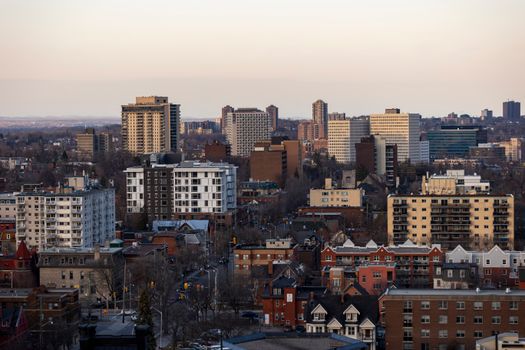
Ottawa's industrial real estate market is cooling off, just a little, and for many local businesses, that's actually good news.
According to new Q1 data from commercial real estate firm Colliers, industrial rents in Ottawa dipped slightly at the start of 2026, a modest retreat that analysts are calling a sign of stabilization after years of relentless upward pressure on lease rates.
What's Driving the Shift?
The Ottawa industrial market, which includes warehouses, distribution centres, light manufacturing facilities, and flex spaces, saw unprecedented demand surge during the pandemic era. E-commerce growth, supply chain reshoring, and a flood of logistics players all competed for a limited supply of industrial square footage, pushing rents to record highs.
Now, with some of that pent-up demand absorbed and new inventory gradually coming online, the market appears to be finding its footing. Colliers' Q1 report describes conditions as showing "signs of stabilization", not a crash, but a measured correction that gives tenants a bit more breathing room at the negotiating table.
What It Means for Ottawa Businesses
For small and mid-sized Ottawa businesses, think local manufacturers in the east end, distributors near the airport corridor, or tech hardware firms in Kanata, the slight rent relief is a welcome development. Industrial space in Ottawa had become increasingly expensive relative to comparable Canadian cities, squeezing margins for operations-heavy companies.
A stabilizing market could encourage businesses that had been sitting on the sidelines to finally commit to leases, potentially stimulating more economic activity across the city's industrial corridors along Hunt Club Road, Merivale, and the broader West Ottawa employment lands.
Supply Side Starting to Catch Up
One reason for the stabilization: new industrial supply has been creeping into the Ottawa market. Several speculative and build-to-suit industrial developments that broke ground over the past couple of years are now delivering or nearing completion, giving tenants more options than they had in the tight-supply environment of 2022–2024.
Colliers and other market watchers have noted that while availability rates remain historically low, they've ticked upward from their floor, another indicator that the extreme seller's market conditions are easing.
The Bigger Picture
Ottawa's industrial market has long played second fiddle to Toronto and Montreal in national real estate conversations, but the last few years put it firmly on the radar of institutional investors and large-scale logistics operators. The federal government's ongoing presence, the city's growing tech and advanced manufacturing base, and its position as a distribution hub for Eastern Ontario and Western Quebec all underpin long-term demand.
Analysts caution that "stabilization" doesn't mean a buyer's market is around the corner. Quality Class A industrial space remains scarce, and any significant uptick in demand, say, from a major employer expansion or a new logistics operator entering the Ottawa market, could quickly reverse the modest rent decline.
For now, though, businesses and developers can take some comfort in a market that's finally catching its breath.
Source: Ottawa Business Journal / Colliers Q1 2026 Industrial Market Report. Full report available at obj.ca.