Ottawa is where Canada's national security apparatus lives, and it's the federal agencies headquartered here that are now digesting a sobering new threat assessment: Canadians who traveled abroad to join ISIS and are still alive are "highly likely" to pose a threat if they return home.
What the Report Says
According to Global News, the assessment comes from Canada's threat assessment agency and focuses specifically on the risks tied to veterans of the terror group. The report doesn't mince words. It flags returning fighters as a persistent and serious concern for public safety, rather than a hypothetical one.
Why This Matters for Ottawa
While the report itself is a national document, its consequences run straight through the nation's capital. The Canadian Security Intelligence Service (CSIS), the RCMP's National Security Program, and Public Safety Canada are all headquartered in Ottawa, and it's these Ottawa-based agencies that are tasked with acting on threat assessments like this one. Any policy response, whether that's enhanced monitoring, prosecution decisions, or changes to how returnees are processed at the border, will be shaped by officials working out of downtown Ottawa offices.
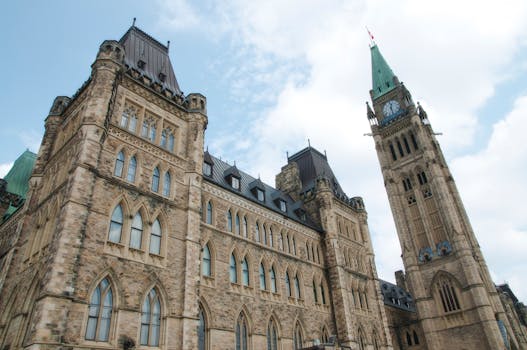
Ottawa residents in particular have a stake in how seriously this kind of intelligence gets acted on. As the seat of federal government, the city is also home to Parliament Hill, foreign embassies, and other high-profile sites that have historically been named in extremism-related security planning. National security threats assessed in reports like this one often translate into visible changes closer to home, like adjusted security postures around federal buildings or increased RCMP activity in the capital region.
The Bigger Picture
Canada has grappled for years with the question of what to do about citizens who left to join ISIS during the height of its territorial control in Syria and Iraq. Some were captured and remain in detention camps overseas, while others have already returned to Canada. The debate over repatriation, prosecution, and reintegration has been contentious, with intelligence officials in Ottawa repeatedly stressing that these individuals can't simply be treated as a closed chapter.
This latest assessment reinforces that stance, suggesting that the passage of time since ISIS lost its territorial holdings hasn't reduced the risk associated with its former fighters. For an agency landscape centered in Ottawa, that means continued resourcing and attention on a file that shows no signs of fading from the national security agenda.
As this report circulates through the halls of Ottawa's national security agencies, expect continued public discussion about how Canada balances the rights of citizens with the government's obligation to keep communities safe, a conversation that, given where the decision-makers sit, will keep coming back to the capital.
Source: Global News Ottawa