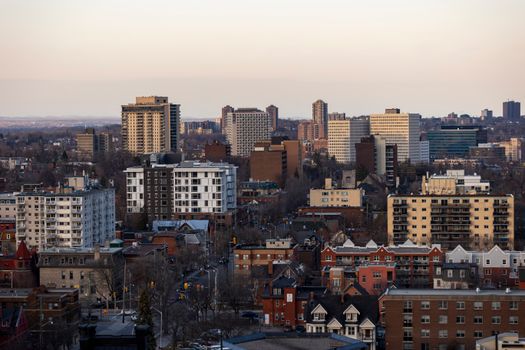
Ottawa's downtown core is dotted with office buildings that sit partially empty, a lingering hangover from the pandemic-era shift to remote work. For some developers, those vacant floors look like an opportunity. For others, the math just doesn't add up.
The office-to-residential conversion debate has been simmering in Ottawa for several years, but it's gaining new urgency as the city faces a persistent housing shortage and a glut of underutilized commercial space along streets like Sparks, Albert, and Slater.
The Case For Converting
On paper, the pitch is compelling. Ottawa has a well-documented need for more housing units, particularly in the downtown and Centretown neighbourhoods where transit access is strong. At the same time, the office vacancy rate in the city's central business district has hovered in the double digits since 2020, leaving landlords sitting on assets that generate little income.
Conversions can theoretically thread that needle, transforming underperforming commercial real estate into much-needed rental or condo units while also revitalizing street-level activity that empty office lobbies kill.
The federal government has offered some carrots to make conversions more attractive, including the Canada Mortgage and Housing Corporation's conversion loan program, which provides low-interest financing for eligible projects. The City of Ottawa has also signalled openness to zoning flexibility for conversion proposals.
The Case Against
But developers who've run the numbers often walk away shaking their heads. Office buildings weren't designed to be homes. The floor plates are typically too deep, meaning interior units would have no windows, a dealbreaker under building code. Mechanical, electrical, and plumbing systems need wholesale replacement. Stairwell and elevator placements often don't align with residential layouts.
All of that costs money, a lot of it. In many cases, the per-unit construction cost of a conversion rivals or exceeds that of a ground-up build, without the design flexibility a new build offers.
"The economics are tricky," one Ottawa developer told the Ottawa Business Journal. "You need the right building, ideally a smaller, older office with a narrow floor plate, and the right location. Most of the downtown towers don't tick those boxes."
Which Buildings Actually Work?
Experts point to a handful of building characteristics that make conversion viable: floor plates under roughly 20,000 square feet, perimeter-heavy layouts that allow natural light into most units, and locations with strong residential amenities nearby.
Some older Ottawa office buildings from the 1960s and 70s, particularly smaller mid-rises outside the core, may be better candidates than the glass towers that define the modern skyline.
What's Needed to Unlock More Projects
Urbanists and housing advocates argue that the city and federal government need to go further, streamlining permitting for conversion projects, offering deeper subsidies, and potentially relaxing building code requirements around window access in certain cases.
Without that kind of policy push, most developers say they'll keep watching from the sidelines, weighing the risks against a housing market that, despite everything, still makes building new the safer bet.
For Ottawa's downtown, the stakes are high. Every empty floor is a missed opportunity, for housing, for street life, and for the long-term health of a city centre that needs all the reinvestment it can get.
Source: Ottawa Business Journal