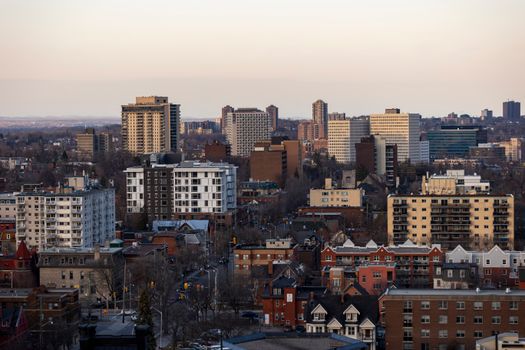
Ottawa is making real progress on one of its most creative housing solutions: turning vacant office space into residential units. A pilot program offering fee cuts to developers who convert underused commercial buildings into homes is gaining traction, with at least one city councillor calling the early results encouraging.
The Problem It's Solving
Like many Canadian cities, Ottawa has been grappling with a double-edged challenge, a stubborn office vacancy rate in parts of the downtown core, and a housing supply that simply hasn't kept pace with demand. Office-to-residential conversions offer a way to tackle both at once, breathing new life into underoccupied buildings while adding much-needed homes to the market.
The pilot program addressed one of the biggest friction points for developers: the upfront cost burden of development charges and other municipal fees. By reducing those fees for qualifying conversion projects, the city hoped to make the math work for builders who might otherwise pass on the idea.
Early Signs Are Encouraging
According to the Ottawa Business Journal, a city councillor is now describing the pilot as showing "positive signs", a signal that the incentive structure is doing what it was designed to do. Rather than letting the program expire, the city has opted to extend the pilot, giving more developers the opportunity to take advantage of the reduced fees.
While specific project numbers haven't been detailed in the report, the extension itself speaks volumes. Municipal pilots that aren't working tend to quietly disappear; ones that get renewed are usually producing results worth building on.
Why This Matters for Ottawa Renters and Buyers
Ottawa's rental vacancy rate has remained tight in recent years, and the cost of both renting and buying has climbed steadily. Adding new residential units, even through conversion rather than ground-up construction, helps ease pressure on the market over time.
Conversions also tend to land in already-walkable, transit-accessible neighbourhoods close to downtown amenities. That's a win for residents who want to live near work, and for the city, which benefits from a denser, more active urban core.
What Comes Next
The extension of the pilot keeps the door open for more projects to move through the pipeline. For developers sitting on underperforming commercial assets, the reduced fee structure may be exactly the nudge needed to make a conversion pencil out.
City watchers will be keeping an eye on how many projects actually cross the finish line, conversions are notoriously complex from a design and engineering standpoint, and not every office building is a natural fit for residential use. But Ottawa's willingness to keep refining the incentive program suggests city hall is serious about making conversions a meaningful part of the housing solution.
If the trend continues, expect to see more Ottawa office corridors quietly transforming into the kind of mixed-use, residential-friendly neighbourhoods that make a downtown genuinely livable.
Source: Ottawa Business Journal