Ottawa has spent parts of the last few summers under smoky, orange-tinged skies as wildfires burned across Ontario and Quebec, and it turns out the province's ability to fight those fires has been quietly eroding for years, despite repeated warnings.
A 2016 report on Ontario's forest firefighting program warned that fire rangers were quitting at an alarming rate, that the workforce was becoming less experienced overall, and that pay wasn't keeping pace with the demands and risks of the job. Nearly ten years later, those same concerns are resurfacing as the province continues to lean on an undersized, underpaid crew to protect vast stretches of forest.
Why This Matters for Ottawa
While the bulk of Ontario's forest firefighting happens in the province's north, Ottawa isn't insulated from the fallout. Eastern Ontario's own forested areas, including the Ottawa Valley and the woodlands ringing the city, depend on the same provincial firefighting infrastructure. When rangers are stretched thin fighting blazes near Sudbury, Thunder Bay, or Timmins, resources available for Eastern Ontario incidents can be slower to mobilize.
Ottawa residents have also felt the indirect impact firsthand. Smoke from northern Ontario and Quebec wildfires has repeatedly drifted into the capital in recent summers, triggering air quality alerts, canceled outdoor events, and warnings for residents with respiratory conditions to stay indoors. A firefighting system that's short-staffed and losing experienced rangers doesn't just mean slower response times up north. It can mean longer-burning fires and more smoke making its way down the Ottawa Valley.
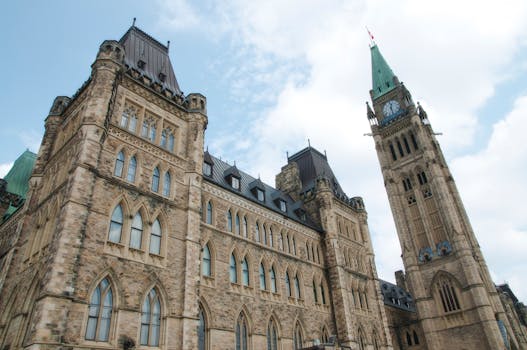
Local MPPs representing Ottawa-area ridings sit in the same Queen's Park caucus responsible for funding and staffing decisions at the Ministry of Natural Resources and Forestry, which oversees the fire ranger program. Advocacy groups have pointed to the recurring warnings as evidence that political will, not information, has been the missing piece.
A Pattern of Warnings Ignored
The 2016 findings weren't a one-off. Retention and pay issues among fire rangers have been raised repeatedly by unions and oversight bodies in the years since, with critics arguing that wages haven't kept up with the physically demanding, often dangerous nature of the work, especially as climate change lengthens and intensifies wildfire seasons across the province.
For Ottawa, the takeaway is less about any single fire and more about resilience: as summers get hotter and drier, a stretched-thin firefighting workforce hundreds of kilometres away can still show up in the capital as smoky skies, air quality warnings, and disrupted plans.
Source: Global News Ottawa