Ottawa is facing new pressure from an Ontario hockey gear manufacturer that says it needs federal backing to survive an escalating U.S. tariff fight, according to reporting from the Investigative Journalism Foundation.
A homegrown industry under strain
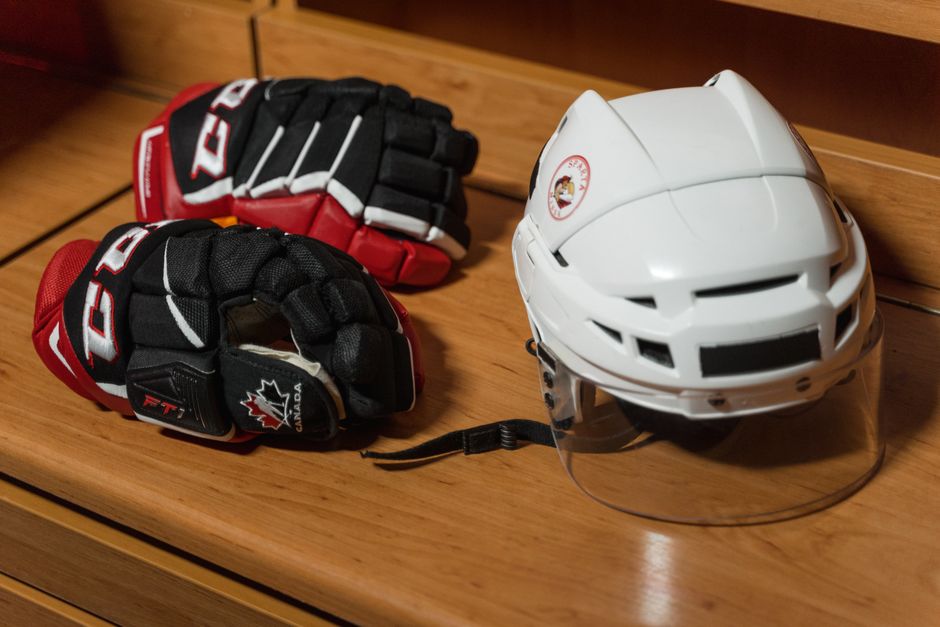
Hockey equipment manufacturing has long been a point of pride in Ontario, with several companies producing sticks, pads, and skates that outfit players from beer leagues to the NHL. But as U.S. tariffs bite into cross-border trade, manufacturers say their margins are shrinking fast. Raw materials, many of which move back and forth across the Canada-U.S. border during production, are getting more expensive at every stage.
For a mid-sized Ontario manufacturer competing against much larger American brands, the tariffs threaten to tip the balance. Without some form of federal relief or support, the company argues it risks losing ground in a market where price competition is already brutal.
Why this lands on Ottawa's desk
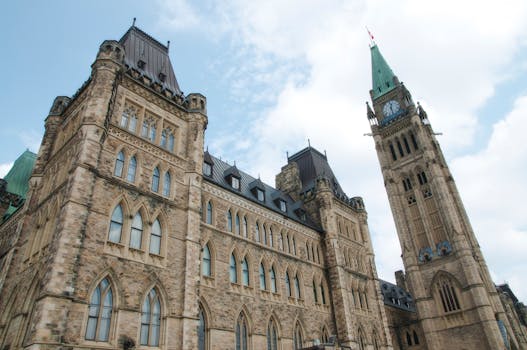
The request for help is aimed squarely at the federal government, meaning the decision making happens in Ottawa. Federal officials have already rolled out targeted support for other tariff-hit sectors, including steel, aluminum, and auto parts. Hockey gear manufacturers are now making the case that their industry deserves a seat at that same table.
Ottawa's response, or lack of one, will matter well beyond this single company. Ontario is home to a cluster of sporting goods manufacturers, many of them smaller operations without the lobbying power of the auto sector. How the federal government treats this request could set a precedent for whether niche manufacturing sectors get help or are left to absorb tariff costs on their own.
The bigger picture for Ontario manufacturing
This isn't an isolated story. Manufacturers across Ontario have been sounding the alarm for months about the ripple effects of U.S. trade actions, from auto parts plants to smaller specialty producers. Hockey gear might seem like a niche corner of the economy, but it's also deeply tied to Canadian identity, and the symbolism of a Canadian hockey brand struggling because of U.S. trade policy is not lost on anyone watching this unfold.
Industry advocates say a coordinated federal response, rather than a patchwork of sector-by-sector asks, would give manufacturers more certainty. For now, though, this Ontario company is making its case directly, hoping Ottawa moves before the tariff pressure forces harder decisions like layoffs or price hikes that get passed on to consumers.
What comes next
There's no indication yet of a formal federal response, but the pressure is mounting as more Ontario manufacturers report similar struggles. Whether Ottawa treats this as a priority or a lower-tier concern compared to bigger industries like autos and steel will likely shape how the rest of Ontario's manufacturing sector fares through the ongoing trade dispute.
Source: Investigative Journalism Foundation, via Google News