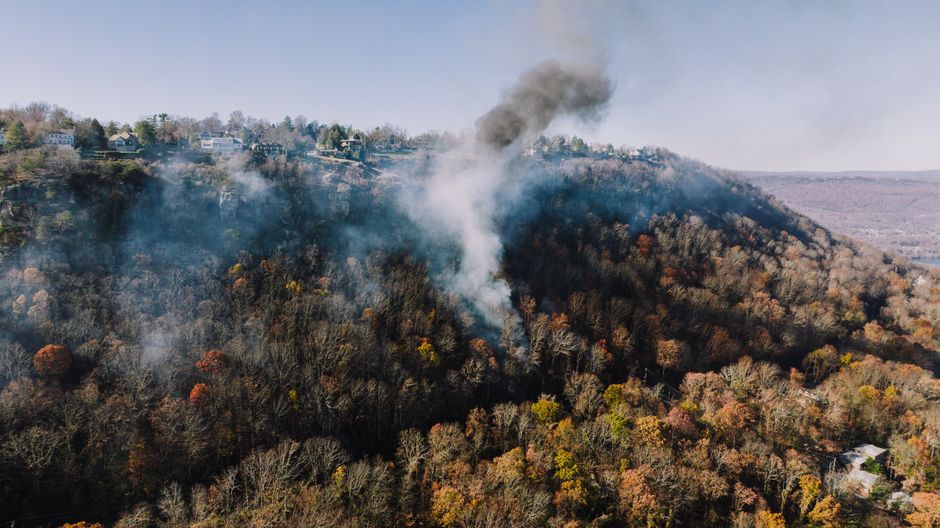
Ottawa's Prime Minister Mark Carney says "more can be done" to address increasingly severe wildfire seasons, following a year that has already been described as Ontario's worst wildfire season on record. The bulk of the damage has hit northwestern Ontario, where communities have spent months dealing with smoke, evacuations, and scorched land.
What Carney Said
Speaking on the issue, the Prime Minister acknowledged that the scale of this year's fires points to a pattern that governments, including his own in Ottawa, need to respond to more aggressively. He didn't lay out a detailed plan in his remarks, but the acknowledgment itself signals that wildfire response and climate adaptation are climbing the priority list on Parliament Hill.
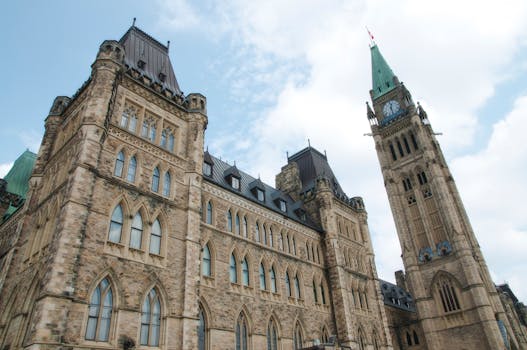
Why It Matters in Ottawa
While the fires themselves are burning hundreds of kilometres away in northwestern Ontario, the response is being shaped right here in Ottawa. Decisions about federal disaster funding, emergency management coordination, and any new wildfire prevention strategy all flow through departments headquartered in the capital. When smoke from northern Ontario fires drifted south in past summers, Ottawa residents felt it too, in the form of hazy skies and air quality warnings. That shared experience has made wildfire policy feel less like a distant issue and more like something that touches the whole province, including the capital region.
Ottawa is also home to federal emergency management agencies and Natural Resources Canada, both of which play a direct role in coordinating wildfire response, resource sharing between provinces, and long-term forestry and climate policy. Any shift in federal approach, whether that means more funding for firefighting crews, better early warning systems, or new climate adaptation measures, will likely be worked out in offices across Ottawa before it reaches the communities that need it most.
Ontario's Record-Breaking Year
This wildfire season has already surpassed previous records for Ontario, with the northwest bearing the brunt of the destruction. Fires of this scale put pressure on provincial and federal resources alike, often requiring mutual aid agreements with other provinces and even international partners to bring in extra firefighting crews and equipment.
Climate scientists have repeatedly pointed to longer, hotter, and drier summers as a driver behind these increasingly severe fire seasons, a trend that isn't limited to Ontario but is playing out across much of Canada. For a government based in Ottawa, that means wildfire response can no longer be treated as a once-in-a-while emergency measure, but as an ongoing part of climate policy planning.
What Comes Next
Carney's comments suggest that some kind of policy response may be in the works, though specifics haven't been announced. For Ottawa residents watching from the capital, the coming months will likely bring more discussion about how the federal government plans to support fire-affected communities in the northwest and whether new investments in prevention and response are on the horizon.
Source: CBC Ottawa