Ottawa Back in the Hot Seat on Health Funding
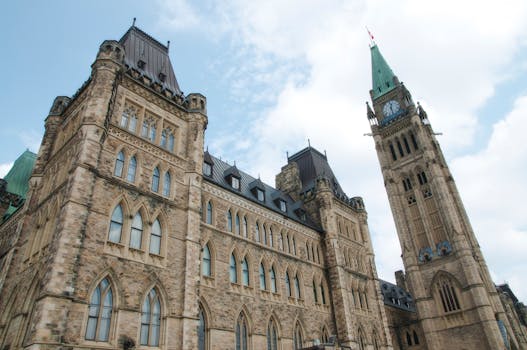
Ottawa is once again the focus of a national standoff, as Canada's premiers renew their call for the federal government to restore its share of health-care funding to 50 percent, a level not seen in decades. The demand, raised at a recent meeting of provincial and territorial leaders, puts pressure on the federal government headquartered right here in the capital to rethink how it splits health-care costs with the provinces.
What the Premiers Are Asking For
The premiers argue that the federal government currently covers only a fraction of overall health spending through the Canada Health Transfer, leaving provinces to shoulder the bulk of rising costs tied to aging populations, hospital overcrowding, and staffing shortages. They're calling on Ottawa to commit to a 50-50 cost-sharing arrangement, a ratio that existed when medicare was first established but has steadily eroded over the years as federal contributions failed to keep pace with health-care inflation.
Why This Matters for the Capital
While the story is national in scope, it carries extra weight in Ottawa. As the seat of the federal government, the city is where these funding decisions get made, debated, and ultimately negotiated between federal officials and provincial counterparts. Any shift in health transfer dollars also has a direct local impact: Ottawa residents rely on The Ottawa Hospital, CHEO, and other regional health institutions that depend heavily on a mix of provincial and federal funding to manage wait times, emergency room capacity, and long-term care.
Ottawa's own municipal and regional health services have flagged capacity issues in recent years, from ER overcrowding to strained home-care programs, echoes of the very funding gaps premiers say a restored 50-50 split could help address.
The Bigger Picture
The fight over health funding shares isn't new. Provinces have pushed this same request for years, pointing to the growing cost of an aging population and expensive medical technology. Federal officials have historically resisted a full return to 50-50 funding, instead opting for targeted top-up deals tied to specific priorities like mental health, long-term care, or family doctor shortages.
With provinces united in their latest ask, all eyes turn to how the federal government, operating out of Ottawa, chooses to respond. Whether that means a formal negotiation process, a one-off funding boost, or continued resistance remains to be seen.
What's Next
For Ottawa residents, the outcome of this funding fight could shape everything from hospital wait times to the availability of local health services in the years ahead. As the political back-and-forth plays out in the corridors of the capital, the practical stakes are very much local: better-funded hospitals, shorter ER waits, and more resources for the health institutions Ottawa families rely on every day.
Source: National Post via Google News