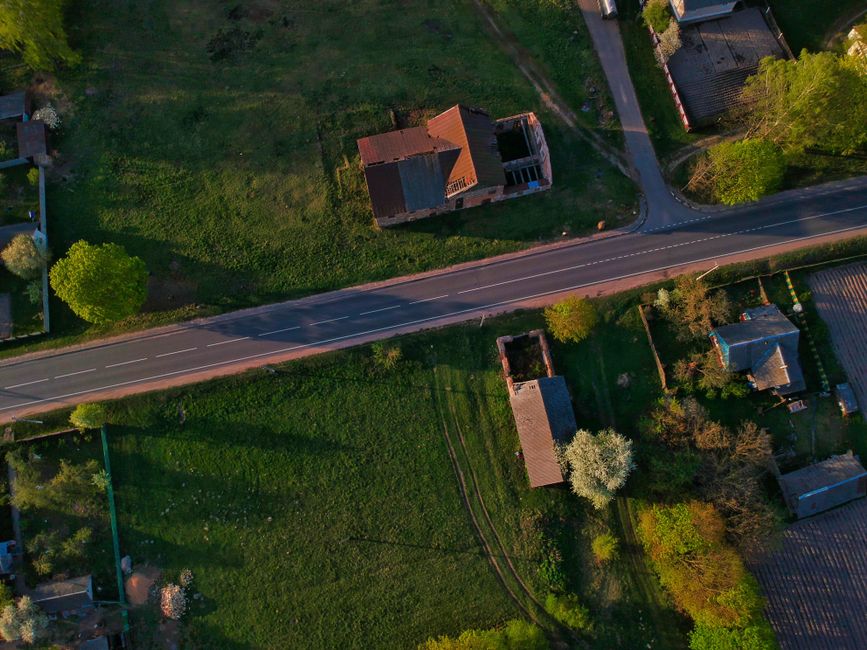
Ottawa's rural fringe could look very different in the coming decades. A new study commissioned by the City of Ottawa recommends shifting the urban boundary to allow suburban development on a swath of rural land almost as large as Barrhaven itself, one of the city's biggest and fastest-growing suburbs.
Why the City Is Looking at This Now
The recommendation comes as Ottawa grapples with ballooning population forecasts. City planners have long projected that Ottawa will need to accommodate hundreds of thousands of new residents over the next few decades, and the current urban boundary, the line that separates areas open to full urban-style development from protected rural and agricultural land, is being tested by that growth.
The study argues that without expanding the boundary, the city risks a housing supply crunch that pushes prices even higher and forces more development pressure onto existing neighbourhoods through aggressive intensification. Opening new greenfield land, the reasoning goes, gives the city more flexibility to meet provincially mandated housing targets while spreading growth across multiple fronts.
A Boundary Battle With a Long History
Ottawa's urban boundary has been a flashpoint before. The last major expansion, approved as part of the city's 2021-2022 Official Plan process, was contentious, with critics arguing that sprawl-style growth increases the city's long-term infrastructure costs, new roads, sewers, transit extensions, and schools, while environmental advocates warned about the loss of farmland and natural habitat on the capital's edges.
This latest study reopens that debate. Adding an area comparable in size to Barrhaven, a community that itself took decades to build out and now houses tens of thousands of residents, would represent one of the more significant boundary shifts in the city's recent history.
What Residents Should Watch For
For Ottawa residents, particularly those in communities near the current urban fringe like Barrhaven, Riverside South, Stittsville, and Orleans, the study's recommendations could shape where the next wave of subdivisions, big-box retail, and schools get built. It also has implications for commute times and transit planning, since new suburban development far from the core typically relies heavily on cars unless transit infrastructure, like an LRT extension, is built alongside it.
Council will need to weigh the study's recommendations against Ottawa's own climate and intensification goals, which have generally pushed for more compact, transit-oriented growth rather than continued outward expansion. Any formal boundary change would also need to go through public consultation and council approval before it could move forward, giving residents an opportunity to weigh in on how, and where, the city grows next.
The debate echoes a familiar tension in fast-growing mid-sized Canadian cities: build up or build out. With Ottawa's population continuing to climb, this study suggests city planners are keeping both options firmly on the table.
Source: CBC Ottawa