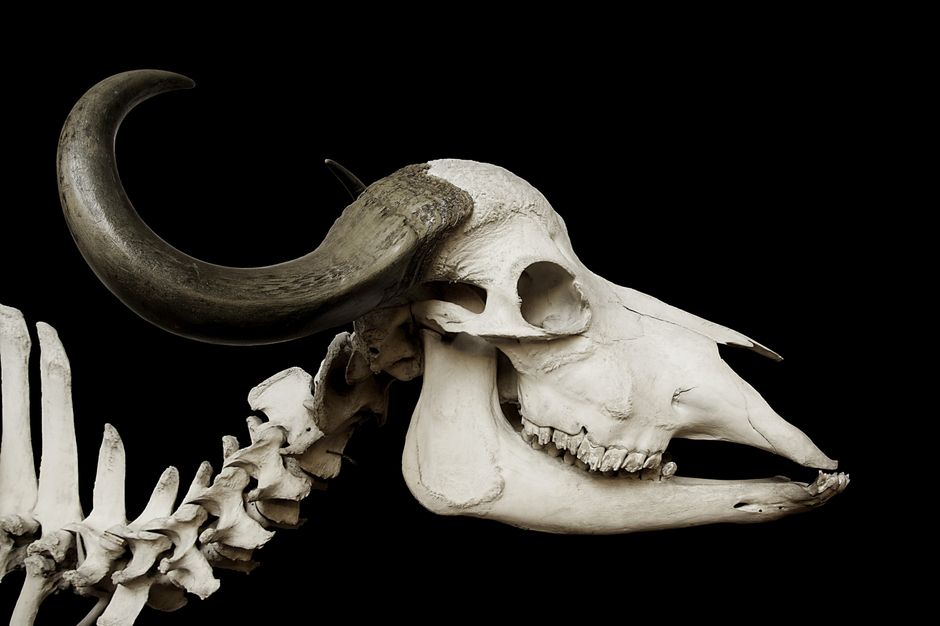
Ottawa may be hundreds of kilometres from North Bay, but the nation's capital played a behind-the-scenes role in solving a mystery that sat unsolved for nearly 50 years. Police have confirmed that a skull discovered in swampland near North Bay back in 1975 belongs to Claude Hamilton Brownscombe, a First World War veteran originally from Uxbridge, Ontario.
A Decades-Old Mystery Finally Solved
The partial human remains were found in 1975, but for decades investigators had no way to determine whose they were. Cold cases involving unidentified remains often stall for exactly this reason: without a name, there's no starting point. It wasn't until advances in forensic identification techniques caught up with the case that police were able to put a name to the remains: Claude Hamilton Brownscombe, a man who served Canada during the First World War before his life took this strange and tragic turn.
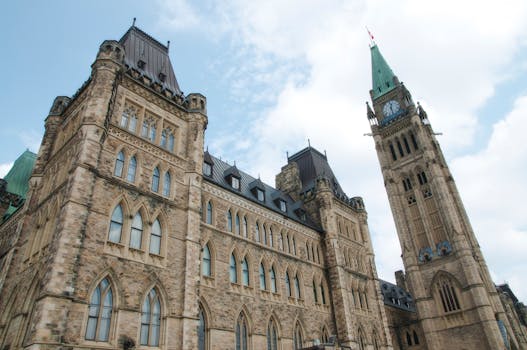
The Ottawa Connection
Cases like this one often lean heavily on records held right here in Ottawa. Library and Archives Canada, headquartered in the capital, holds the attestation papers, service files, and personnel records for virtually every Canadian who served in the First World War, documents that have become an increasingly valuable tool for genealogists, historians, and investigators working to identify unnamed remains decades after the fact. When police and forensic researchers need to trace a soldier's history, family lineage, or service record, Ottawa's federal archives are frequently where that trail begins.
For Ottawa residents interested in genealogy or military history, it's a reminder of just how much of the country's historical record, birth records, war service files, immigration documents, physically resides in the capital. Cases like Brownscombe's show how that archive isn't just a dusty repository; it's an active tool still being used to bring resolution to real families waiting for answers.
Who Was Claude Hamilton Brownscombe?
Brownscombe hailed from Uxbridge, a small town in Ontario's Durham Region, and served overseas during the First World War, a conflict that saw more than 600,000 Canadians enlist. Like many veterans of that era, the details of his life after the war, and how his remains ended up in swampland near North Bay, remain part of an investigation that stretched across generations of police work.
Why This Case Matters
Unsolved cases involving unidentified remains rarely make headlines once the initial discovery fades from public memory, but they never actually close. Investigators across Ontario continue to revisit decades-old files as forensic science improves, and stories like this one are a testament to that patient, ongoing work. For families of missing or unidentified Ontarians, the Brownscombe case offers a small measure of hope that answers, even fifty years later, are still possible.
Ottawa's role as home to the country's military and genealogical archives means the capital will likely continue to be part of these stories going forward, even when the remains themselves are found far outside city limits.
Source: Global News Ottawa