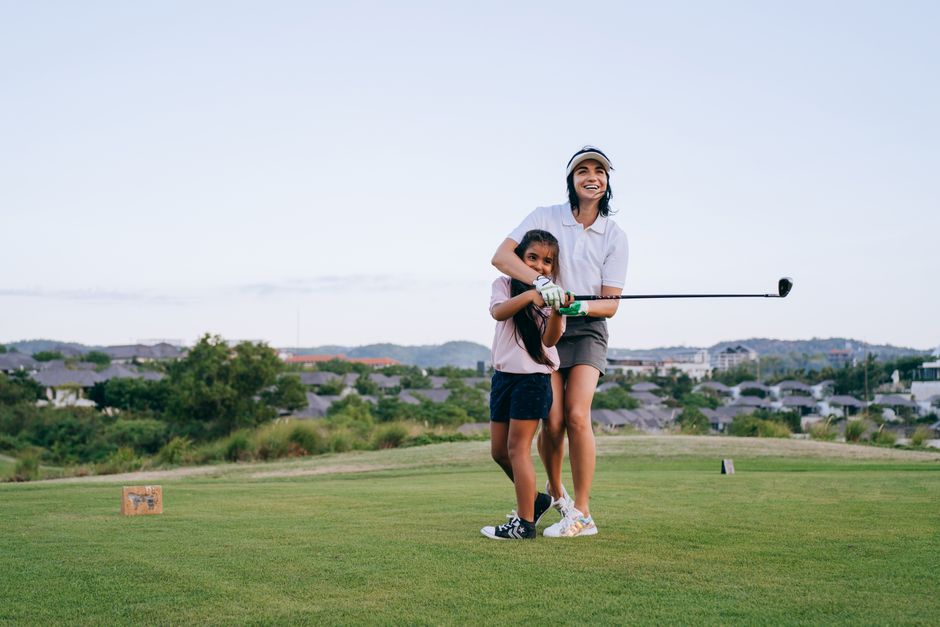
Ottawa golf courses are becoming a little more inclusive this summer, as visually impaired youth in the city take up clubs and learn the game in a way most players never have to think about: by feel.
A recent CTV News report spotlighted young golfers who are blind or have low vision learning to play through touch-based coaching rather than relying on sight to line up a shot. For these kids, the sport looks, and feels, a little different. Instead of watching a coach demonstrate a swing from a distance, players are guided hands-on into the correct stance, grip, and follow-through, building muscle memory they can repeat on their own.
Learning golf without looking
Adaptive golf programs for visually impaired players typically rely on a sighted guide who helps line up the golfer's body and clubface before each shot, then gives verbal cues, like a clock-position description of the target, once the swing begins. Some players also use sound cues, such as a tapping noise near the hole or a caddie calling out distance and direction, to build a mental map of the course.
For youth golfers especially, the emphasis is less on scorecards and more on confidence: learning that a solid strike can be felt through the hands and heard through the club's contact with the ball, even without being able to track its flight visually.
Why it matters for Ottawa
Ottawa has increasingly positioned itself as a city working to make recreational sports more accessible, from adaptive programming at local rec centres to inclusive leagues in other sports. A local push to bring visually impaired youth into golf fits that broader trend, giving kids in the city a chance to try a sport that can otherwise feel out of reach without adaptive coaching and specialized instruction.
Programs like this also lean on the patience of volunteer coaches and guides, since teaching golf by feel takes more one-on-one time than a typical group lesson. That kind of individualized coaching is often what makes or breaks whether a visually impaired beginner sticks with the sport long-term.
The bigger picture
Adaptive sports advocates have long pointed to golf as a sport that, despite its reputation for requiring precise sightlines, can actually be well-suited to visually impaired athletes once the right coaching techniques are in place. The game rewards repeatable mechanics and rhythm, things that can be taught and reinforced through touch and sound just as effectively as through sight.
For Ottawa families with visually impaired kids looking to get involved, local golf courses and community sport organizations are a good starting point for finding adaptive lesson opportunities in the area.
Source: CTV News