Ottawa is at the centre of a major energy policy decision, with the federal government reportedly moving to designate a West Coast pipeline project as being of "national interest," according to reporting from The Globe and Mail.
While details are still emerging, the move signals that officials in the capital are prepared to treat the pipeline as a strategic priority for the country, a label that can carry real weight in how a project moves through federal review, funding conversations, and interprovincial negotiations.
What "national interest" actually means
When the federal government flags an infrastructure project as being of national interest, it typically means the project is seen as important enough to Canada's broader economic or strategic goals that it warrants closer federal attention and support. For a pipeline connecting to the West Coast, that could mean anything from expedited regulatory processes to a more direct role for federal departments in shepherding the project forward.
The exact mechanics of what this designation would mean for the pipeline in question haven't been fully detailed yet, but the fact that the conversation is happening at all is significant. Major energy infrastructure decisions in Canada often become flashpoints between the federal government, provincial governments, and Indigenous communities along proposed routes, so any signal from Ottawa about prioritizing a project tends to ripple outward quickly.
Why this matters in Ottawa
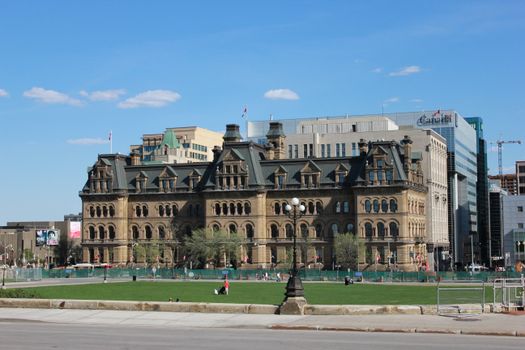
This is very much an Ottawa story before it's anywhere else. The decision-making, the interdepartmental coordination, and the political calculus around a designation like this all happen inside federal buildings here in the capital, from the Prime Minister's Office to the relevant energy and natural resources ministries. Ottawa residents who work in the federal public service, in policy shops, or in advocacy organizations tracking energy and environmental files will likely be watching closely as this story develops.
It's also a reminder of Ottawa's role as the place where national infrastructure debates actually get decided, even when the physical project itself is thousands of kilometres away on the West Coast. Decisions made in meeting rooms downtown can shape whether a pipeline gets built, how quickly, and under what conditions, with consequences for jobs, emissions targets, and provincial relations across the country.
What to watch for
As this story develops, expect more detail on which specific pipeline project is involved, what the "national interest" designation would formally unlock, and how provincial and Indigenous stakeholders respond. Given how politically sensitive pipeline projects have historically been in Canada, reaction from opposition parties and affected regions is likely to follow quickly once more specifics are public.
We'll continue to follow how this federal decision, made right here in Ottawa, plays out in the weeks ahead.
Source: The Globe and Mail