For the third summer in a row, Ottawa finds itself at the centre of a national airline labour dispute, and this time, it's far from clear that the federal government's usual playbook will work.
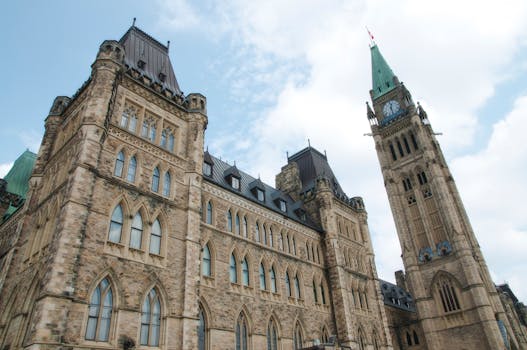
As the WestJet strike grounds flights and strands travellers across the country, all eyes are on the Prime Minister's Office and Labour Ministry, both headquartered here in the capital, to see how, or whether. Ottawa will intervene. The dispute has become a familiar late-summer ritual: an airline labour standoff, mounting pressure on federal officials, and a scramble to keep planes in the air before the busy fall travel season kicks in.
Ottawa's Go-To Tool: Section 107
In recent airline disputes, the federal government has leaned on Section 107 of the Canada Labour Code, a provision that gives the Labour Minister broad authority to refer disputes to the Canada Industrial Relations Board and effectively force an end to a strike or lockout. It's the tool Ottawa used in previous airline standoffs, and it's the one most observers expect officials to reach for again.
But this time, the picture is murkier. Legal challenges and shifting political winds have raised real questions about whether that same lever will hold up, or whether unions and employers alike will contest its use more aggressively than in years past. For a government led out of Ottawa that has increasingly relied on this power, a weakened Section 107 would mean rethinking how it manages high-stakes labour disputes going forward.
Why This Matters Beyond the Capital
While the strike itself is playing out at airports across Canada, the decisions shaping its outcome are being made in Ottawa boardrooms and ministerial offices. Ottawa residents with connecting flights, business travel, or family visits booked around a major airline hub are feeling the same disruption as anyone else in the country, a reminder that even though the negotiations happen elsewhere, the fallout from federal labour policy is felt locally too.
With Parliament's return on the horizon, pressure is mounting on the government to show it can manage the dispute without repeating the drawn-out disruptions of previous summers. How officials in Ottawa respond in the coming days could set the tone for federal labour relations well beyond this one strike.
What Happens Next
Options on the table reportedly include invoking Section 107 again, encouraging both sides back to the bargaining table, or letting the dispute play out with minimal intervention, a politically risky choice given how disruptive previous airline strikes have been for Canadian travellers.
For now, all sides are watching the capital closely, waiting to see whether the federal government's usual approach still has teeth.
Source: CBC Ottawa