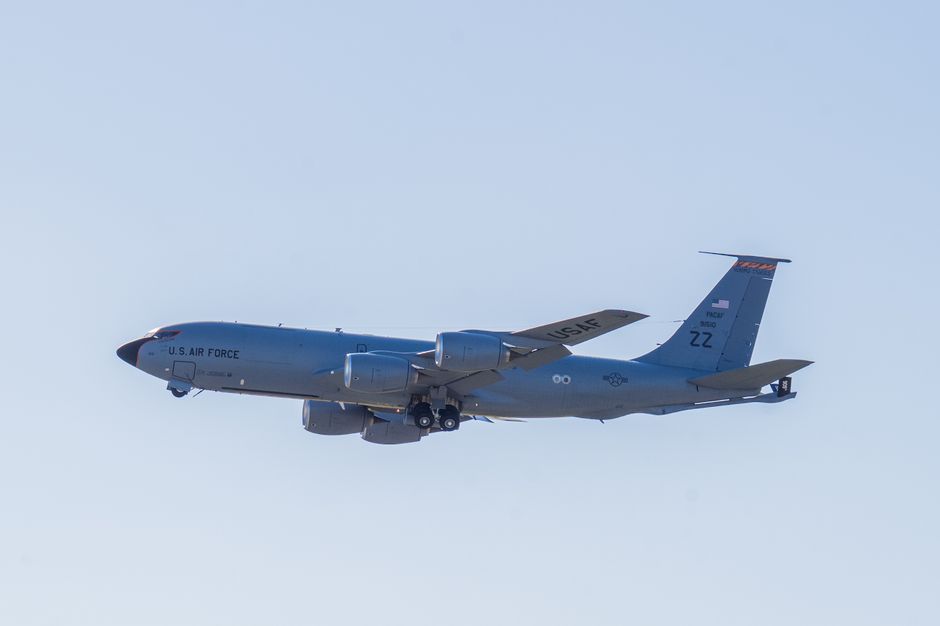
A longer wait for a critical capability
Canada's air force is going to be waiting a while longer for new refuelling capability. The Royal Canadian Air Force (RCAF) won't receive the first of four new Airbus A330 air tankers until the end of 2027, according to a CBC News report, a timeline that pushes the aircraft's arrival well past earlier expectations.
Air-to-air refuelling tankers might not grab headlines the way new fighter jets do, but they're essential to how a modern air force actually operates. These aircraft allow fighter jets to refuel mid-flight, extending their range and letting them stay airborne for missions that would otherwise be impossible without landing to refuel. That capability is especially important in the Arctic, where vast distances and limited runway infrastructure make aerial refuelling a key part of any credible defence posture.
Why the Arctic matters here
Canada's North has become an increasingly prominent part of the country's defence conversation, as Arctic sovereignty and security draw more attention from Ottawa and allied nations alike. Fighter jets patrolling that region need to be able to cover enormous distances, and without reliable refuelling support, their operational range is significantly limited. The new tanker fleet is meant to replace aging capability and give the RCAF a more modern, more capable tool for exactly that kind of mission.
Until the new Airbus A330 tankers arrive, the air force will continue to rely on the equipment it already has to fill the gap. That's not an unusual situation for a military procurement file, Canada's defence acquisitions have a long history of timelines slipping, but it does mean a stretch of continued reliance on older aircraft for a capability that's only growing more important strategically.
A familiar story in defence procurement
Delays like this one are common in large-scale military procurement, where complex aircraft modifications, supply chains, and testing requirements can push back delivery dates from what was originally planned. Four tankers are expected eventually, but with the first not arriving until the end of next year, the full fleet's timeline stretches out even further.
For Ottawa, where a number of federal departments overseeing defence procurement and policy are based, delays like this are part of an ongoing pattern that residents may recognize from other high-profile military purchases over the years, from fighter jets to naval vessels. It's a reminder that even as Canada talks up Arctic readiness and sovereignty, translating that ambition into equipment on the runway takes time.
The RCAF hasn't indicated any change to its broader modernization plans despite the delay, but the timeline underscores just how long these procurement processes can stretch, even for capability considered critical to national defence.
Source: CBC News