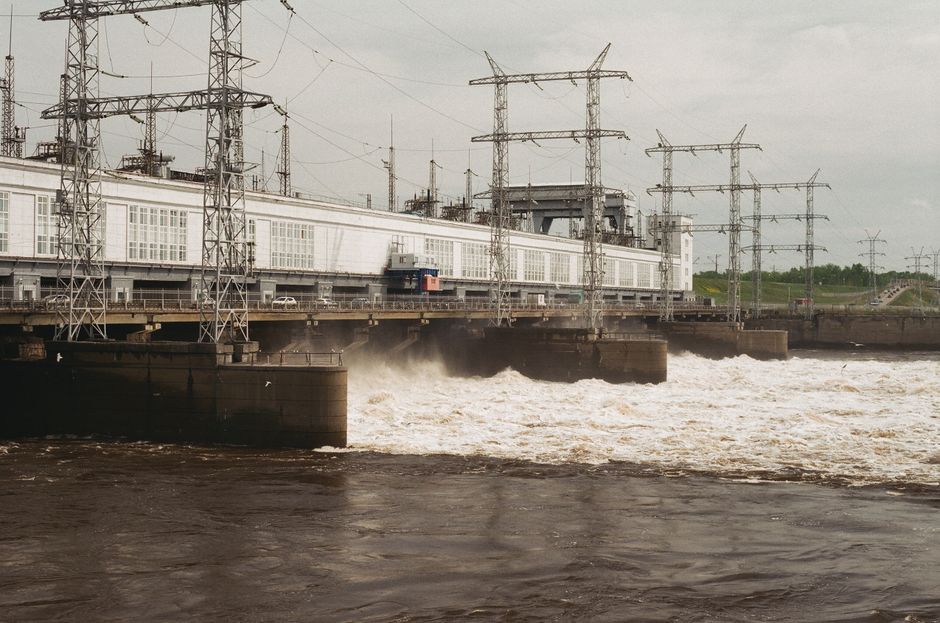
A New Chapter for Churchill Falls
A new deal covering the massive Churchill Falls hydroelectric project is taking shape between Newfoundland and Labrador and Quebec, with fresh details emerging about how the agreement will work. The project, one of the largest hydroelectric generating stations in the world, has long been a source of tension between the two provinces over how its power, and profits, get split.
According to reporting from CBC, the new arrangement includes plans to boost energy production at the site, along with a revised framework for dividing that power between Newfoundland and Labrador and Quebec. The original 1969 Churchill Falls contract became a symbol of a lopsided deal for Newfoundland and Labrador, with Quebec reaping the bulk of the financial benefit for decades under the terms of that agreement. A new deal has been in the works to correct that imbalance and modernize the partnership between the two provinces.
Why Labrador West Is Watching Closely
For communities in Labrador west, the stakes go beyond the numbers on a balance sheet. A local mayor quoted in the CBC report says the region needs the additional power production that's expected to come from the new deal, pointing to the practical, on-the-ground impact this kind of agreement can have for people living near the generating station.
That's a reminder that deals like this one aren't just abstract negotiations between provincial governments. They can shape whether local industries, homes, and infrastructure in Labrador have access to the power they need going forward.
What It Means for the Bigger Picture
Energy deals of this scale ripple well beyond the provinces directly involved. Hydroelectric power from Quebec and Labrador feeds into the broader Canadian grid and export markets, and how these two provinces manage their shared resource has implications for energy pricing and availability across the country.
While the fine print of the new agreement is still coming into focus, the direction is clear: more power production at Churchill Falls, and a different split of that power between Newfoundland and Labrador and Quebec than the arrangement Canadians have known for more than half a century.
As more details continue to emerge, expect continued coverage of how the deal affects electricity rates, industrial development in Labrador, and the long-running relationship between the two provinces over one of Canada's most significant energy assets.
Source: CBC News