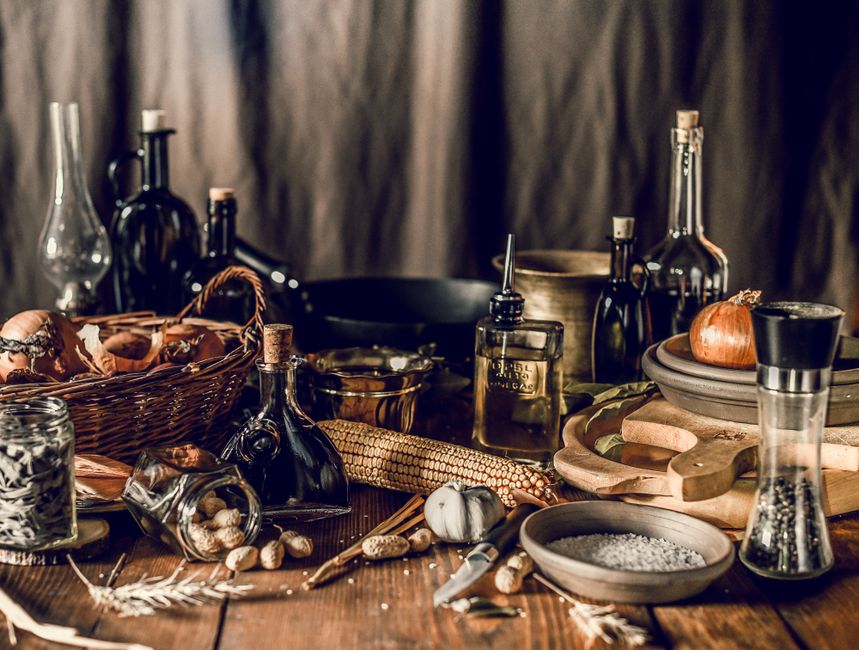
A Familiar Face in an Unlabelled Frame
Most people have never heard the name Clara Peeters, but for art historian and curator Cynthia Osiecki, it's a name she knows intimately. That expertise paid off in a big way in 2022, when Osiecki was digging through the storage vaults of the National Museum of Norway in Oslo and came across a still-life painting with no attribution, no artist name, no record of who made it.
Something about the brushwork, the composition, and the treatment of light stopped her in her tracks. She had a strong hunch: this was a Clara Peeters original.
Who Was Clara Peeters?
Peeters was a Flemish Baroque painter working in the early 1600s, at a time when women were almost entirely shut out of formal artistic training and guild recognition. Despite those barriers, she became one of the pioneers of still-life painting, a genre that was just beginning to take shape as its own respected category of art. Her meticulous depictions of food, flowers, and tableware were technically dazzling for the era, yet her name faded from art history for centuries while her male contemporaries were canonized.
That's part of what makes this discovery resonate so strongly right now: a growing movement among museums and historians to correctly attribute, and celebrate, work by women artists that was previously misfiled, unattributed, or wrongly credited to men.
The Detective Work Behind the Discovery
Identifying a centuries-old painting isn't as simple as a gut feeling, of course. Osiecki's initial hunch kicked off a deeper investigation involving stylistic analysis and historical research to build the case that the painting was, in fact, the work of Peeters. The story of that process, the small clues in a signature brushstroke, the way certain objects are rendered, the compositional choices that were hallmarks of Peeters' style, is the kind of detail that turns an unassuming storage-room find into a genuine art history event.
The painting's reattribution matters beyond just settling a mystery. Each confirmed Clara Peeters work adds to a still-thin catalogue of her known output, giving scholars and the public more material to understand her career and technique.
Why This Story Matters for Canadians
While the painting itself was found in Norway, the story is a Canadian one at its core. It was Canadian art expertise that cracked the case. Osiecki's work is part of a broader push within Canadian and international art institutions to revisit their archives with fresh eyes, particularly when it comes to women artists whose contributions were minimized or lost to time.
It's a reminder that some of the most significant art discoveries don't come from digs or auctions, but from someone with the right knowledge walking through a storage room and asking the right question.
Source: CBC Radio, As It Happens