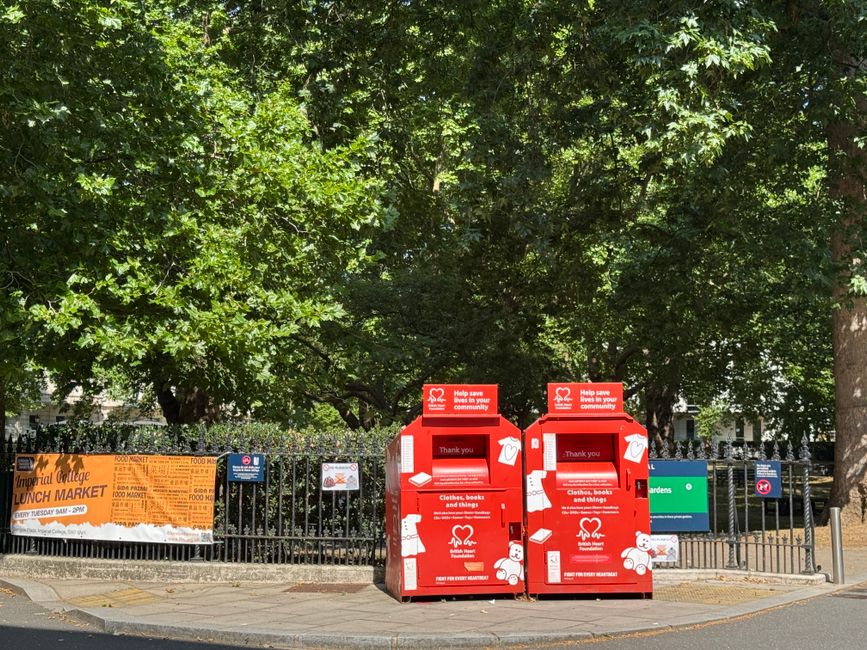
A donation boom nobody asked for
If you've ever felt good about dropping a bag of old clothes at a donation bin, here's a less feel-good update: a growing share of those garments never make it onto a store rack. Instead, they're heading straight to the landfill.
Charity thrift stores across Canada say they're being inundated with clothing donations, more than they can realistically sort, price, and sell. Fast fashion has made it cheaper than ever to buy new clothes and toss out old ones, and a lot of Canadians are doing exactly that, treating the donation bin as a guilt-free alternative to the garbage can. The problem is, the volume has grown so large that many organizations simply don't have the staff, space, or time to process it all.
The used clothing market is in trouble
It's not just a local sorting problem: it's a global one. For years, charities that couldn't sell donated clothing domestically relied on international buyers who would purchase bulk textiles for resale or recycling in other countries. That market has become increasingly unstable. Some overseas markets have tightened import rules on used clothing, while others have simply become oversaturated, as fast fashion has flooded discarded textiles into the global supply far faster than they can be absorbed or resold.
With fewer reliable buyers for surplus donations, charities are left holding piles of clothing that are too worn, too low-quality, or too abundant to sell, and increasingly, the only remaining option is to pay to have it hauled away as waste.
What ends up in the dumpster
Not every donated item was ever destined for a rack in the first place. Stained, torn, or badly worn clothing rarely sells even at deep discounts, and fast-fashion garments, cheaply made and quick to fall apart, often aren't durable enough to be resold secondhand at all. When bins overflow and sorting backlogs pile up, staff are forced to make quick calls about what's worth keeping, and a lot of it doesn't make the cut.
The result is a strange irony: clothing donated with the best intentions, meant to be reused or recycled, is instead adding to the mountain of textile waste piling up in Canadian landfills.
What this means for donors
Experts point to a few ways to make sure your donations actually get a second life. Only donating clean, gently used, and genuinely wearable items helps, a stained t-shirt is far more likely to be trashed than passed on. Some also suggest looking into dedicated textile recycling programs, which are built specifically to handle worn-out or damaged fabric, rather than relying on charity bins meant for resale.
For Ottawa residents, that means checking what your local municipal programs and charity partners actually accept before dropping off a donation, many organizations post guidelines online about condition requirements, since a bag of unsellable clothes just adds to their disposal costs rather than helping their cause.
Ultimately, the shift points to a bigger conversation about overconsumption in fashion, no amount of charitable donating can keep pace with how much clothing is being produced and discarded in the first place.
Source: CBC News