More EVs, Not Enough Hands to Fix Them
Electric vehicles are becoming a common sight on Canadian roads, but the country's repair infrastructure hasn't kept pace. As highlighted in CBC's environmental newsletter What on Earth, a growing question is looming over the EV transition: who's going to fix all these cars?
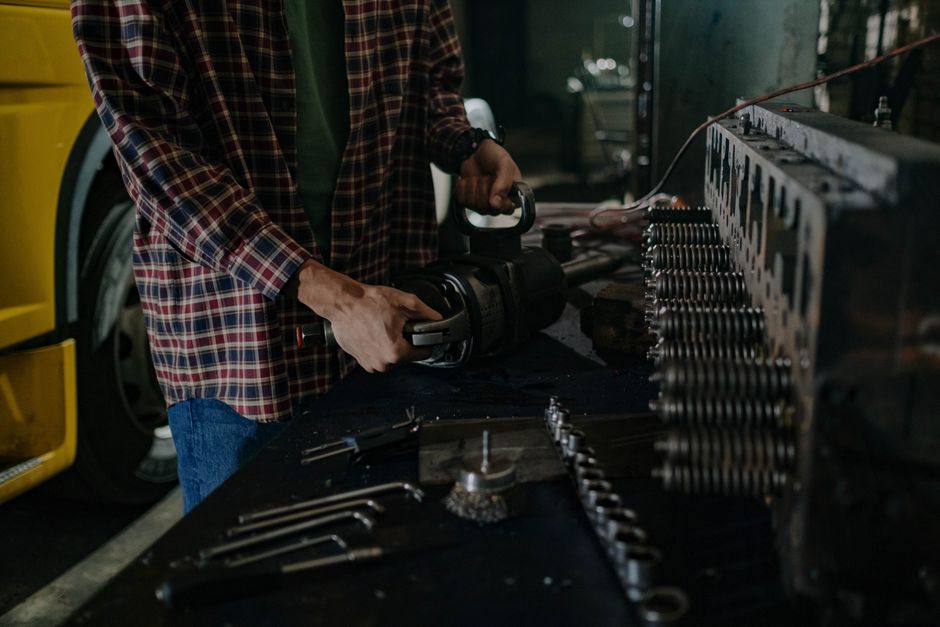
Unlike gas-powered vehicles, EVs run on high-voltage battery systems that require specialized training to service safely. Traditional mechanics who spent decades learning combustion engines are now being asked to retrain for an entirely different kind of vehicle, one involving battery packs, electric motors, and complex software systems rather than pistons and spark plugs.
Training Programs Racing to Catch Up
College and trade programs across Canada have started rolling out EV-specific certifications, but demand for qualified technicians is outpacing supply. Independent repair shops, in particular, face a steep learning curve, since EV servicing often requires expensive diagnostic equipment and safety gear to handle high-voltage components.
Dealership service centres for EV manufacturers have generally been quicker to staff up with trained technicians, but that leaves a gap for drivers who prefer, or need, to use independent garages, especially in smaller communities where dealership options are limited.
Why This Matters for Drivers
For Canadians who've already made the switch to electric, a shortage of qualified mechanics can mean longer wait times for repairs and fewer choices about where to get service done. It's a growing concern for provinces pushing EV adoption through incentives and infrastructure investment, since the promise of going electric loses its appeal if maintenance becomes a hassle.
Industry groups have called for expanded funding for EV-specific automotive training, arguing that without a skilled workforce, the shift to electric vehicles could stall regardless of how many cars roll off the assembly line.
Other Highlights From the Newsletter
The same CBC newsletter also touched on how stationary batteries, the kind used to store renewable energy, are being integrated into public spaces as part of broader efforts to green Canadian infrastructure. It also spotlighted drone shows as a quieter, animal-friendly alternative to traditional fireworks displays, a trend gaining traction at Canadian public events.
Together, the stories point to a common theme: as Canada pushes toward cleaner technology, the systems and skilled labour needed to support that shift are still very much a work in progress.
Source: CBC News, What on Earth newsletter