A grimy mystery gets some answers
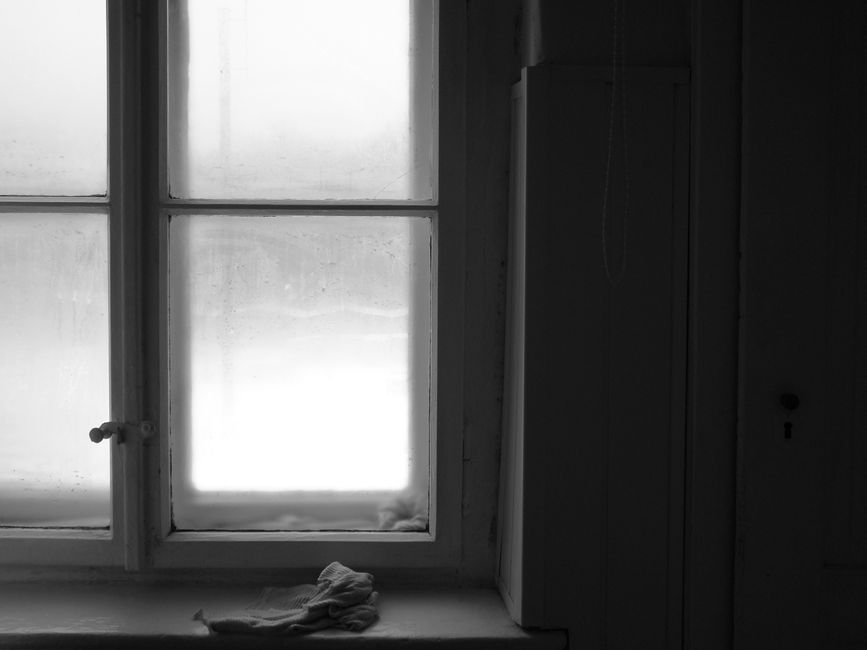
For years, residents in parts of Hamilton have complained about a fine, sooty grime settling on windowsills, porches, and parked cars. Now, researchers at McMaster University say they've confirmed what many suspected: the substance contains toxic chemicals consistent with burning coal.
The findings come out of a community science initiative called "What's the Grime?", where McMaster researchers teamed up with local volunteers to collect soot samples from across the city. Rather than relying solely on official air-quality monitors, the project asked residents to gather samples directly from their own properties, giving scientists a much more granular picture of where the grime is heaviest and what it's actually made of.
What the tests found
Lab analysis of the collected samples turned up chemical markers typically associated with coal combustion, the kind of byproducts released when coal is burned for industrial processes like steelmaking. Hamilton has a long industrial history built around steel production, and while the city's mills have modernized over the decades, heavy industry remains a major employer and a persistent source of tension between economic activity and public health.
Researchers say the presence of these compounds is significant because it points to a specific, identifiable source rather than generic urban pollution. That distinction matters for regulators and residents alike, since it narrows the conversation from "pollution in general" to a more targeted question about which facilities and processes are contributing to the grime.
Why it matters beyond Hamilton
Air quality and industrial emissions are recurring flashpoints in cities across Ontario, and Hamilton's soot study offers a model other communities could borrow from. Community-driven sampling, where residents collect the evidence rather than waiting for institutional monitoring, has become an increasingly common tool for surfacing environmental health concerns that might otherwise go unmeasured or unaddressed.
The health implications of coal-combustion byproducts are well documented, with links to respiratory issues and other long-term effects when exposure is sustained. For Hamilton residents who've watched soot accumulate on their homes for years, the study offers validation that the grime isn't just an eyesore. It's a chemical signature worth taking seriously.
What comes next
The McMaster team's work is expected to inform further monitoring and could feed into conversations with local industry and environmental regulators about tightening emissions controls. For now, the "What's the Grime?" project stands as a reminder that some of the most useful environmental data can come from ordinary residents willing to swab their own windowsills.
While the story centres on Hamilton, it's a snapshot of a challenge playing out in industrial and post-industrial cities across the country, including here in Ontario's capital region, where air quality and emissions from transportation and construction remain ongoing topics of civic discussion.
Source: CBC News