A Warming Arctic Opens New Doors
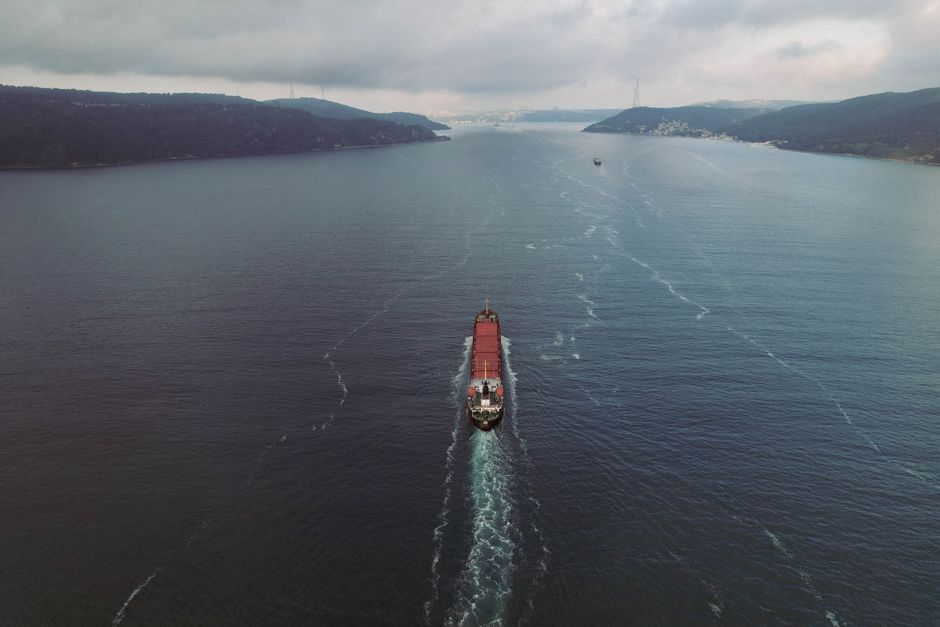
For decades, the Port of Churchill on Hudson Bay has operated on a short seasonal window, with thick sea ice locking the bay for much of the year and requiring heavy-duty icebreakers to keep shipping lanes clear. Now, according to a spokesperson for Manitoba Premier Wab Kinew, that reality may be changing fast.
A new study cited by the premier's office suggests that shrinking sea ice in Hudson Bay could make year-round shipping feasible without needing the most expensive class of icebreaking vessels. That's a significant shift for a region where the shipping season has traditionally run only a few months each summer and fall.
Why This Matters for Manitoba, and Canada
The Port of Churchill has long been touted as a strategic asset: it's Canada's only deep-water Arctic port with rail access, offering a more direct shipping route between the Canadian Prairies and international markets compared to sending goods through Vancouver or Montreal. But its short operating season has limited how much cargo, including grain, critical minerals, and potentially oil, can move through it each year.
If year-round shipping becomes viable, it could turn Churchill into a much more competitive trade gateway, opening new economic opportunities for Manitoba and for Canada's broader push to diversify trade routes and reduce reliance on routes through the United States. Federal and provincial governments have both shown renewed interest in Arctic infrastructure and sovereignty in recent years, and a longer shipping season would bolster arguments for further investment in the port and its rail links.
The Climate Change Angle
While the potential economic upside is being welcomed by officials, the underlying cause is a sobering one: the retreat of Arctic sea ice tied to climate change. Hudson Bay has seen its ice-free period lengthen in recent years, part of a broader pattern of warming affecting Canada's North and Arctic waters. Scientists have repeatedly flagged that reduced sea ice, while sometimes framed as an economic opportunity, also signals significant environmental disruption, affecting wildlife like polar bears and beluga whales that depend on the ice, as well as northern and Indigenous communities whose livelihoods are tied to the health of the bay.
What Comes Next
The Kinew government has not yet detailed specific next steps or funding commitments tied to the findings, and further study is expected before any formal plans for expanded port operations or icebreaker procurement move ahead. But the news adds to a growing conversation in Ottawa and provincial capitals about how Canada should adapt its northern infrastructure, and its trade strategy, to a rapidly changing Arctic.
For now, the takeaway is clear: Hudson Bay's ice isn't what it used to be, and that's forcing a rethink of what's possible for shipping through one of Canada's most remote, and increasingly accessible, ports.
Source: CBC News