A monument decades in the making
From the Cold War era through the 1990s, thousands of Canadians were investigated, interrogated, demoted or fired from the military, the RCMP and the federal civil service simply for being gay, lesbian, bisexual or transgender. The campaign, now widely known as the LGBT Purge, destroyed careers, relationships and, in some cases, lives. Today, that painful chapter of Canadian history is memorialized just steps from Parliament Hill in Ottawa, where the National LGBT Purge Monument stands as both a public reckoning and a deeply personal touchstone for survivors and their descendants.
For many, walking through the monument's granite and glass pathways isn't an abstract history lesson. It's family history.
Personal stakes for survivors' families
Among those who feel the monument's pull most strongly are people like Vancouver's Wayne Davis, who lived through the purge firsthand, and B.C. MLA Elenore Sturko, whose great-uncle was pushed out of his career during the same era for being gay. Sturko, herself a former RCMP officer, has spoken about how learning of her great-uncle's experience reshaped her understanding of the institution she once served, and why a permanent, national space for remembrance matters so much to families still processing generational trauma decades later.
That's the quiet power of the monument's location. It isn't tucked away in a regional archive or a specialized museum. It sits in Canada's capital, in the same city where the policies that ruined careers were drafted and enforced, making it accessible to visitors, students and officials from across the country.
Why Ottawa was chosen
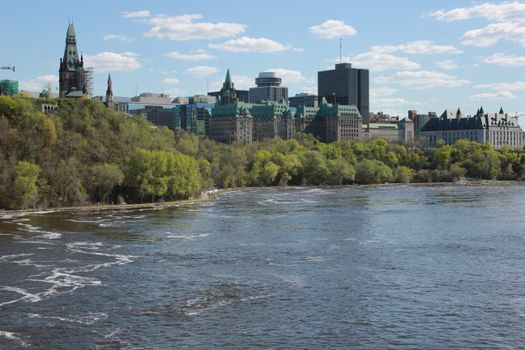
The decision to place the monument in Ottawa wasn't incidental. As the seat of the federal government, the city was the administrative heart of the very institutions, the RCMP, the Canadian Armed Forces, and federal departments. That carried out the purge. Locating the memorial in the capital, near the centres of power, was seen by advocates and the federal government as essential to acknowledging institutional responsibility rather than treating the purge as a series of isolated, regional incidents.
For Ottawa residents, the monument has quietly become part of the city's civic landscape, a stop for tour groups, school trips and Pride events, and a place where survivors can gather for quiet reflection or public commemoration.
A living reminder
Unlike monuments dedicated solely to the past, advocates say this one is meant to keep working: educating new generations, informing policy discussions around LGBTQ+ rights in federal institutions, and giving survivors a place to be seen and heard. Descendants of survivors, including families like Sturko's, have described visiting the site as a way of honouring relatives whose stories were often kept silent for decades out of shame or fear.
As Canada continues to reckon with the purge's legacy, including ongoing compensation processes for survivors, the monument stands as a permanent marker in the nation's capital that this history won't be forgotten.
Source: CBC News