Evacuations Expand as Fire Grows
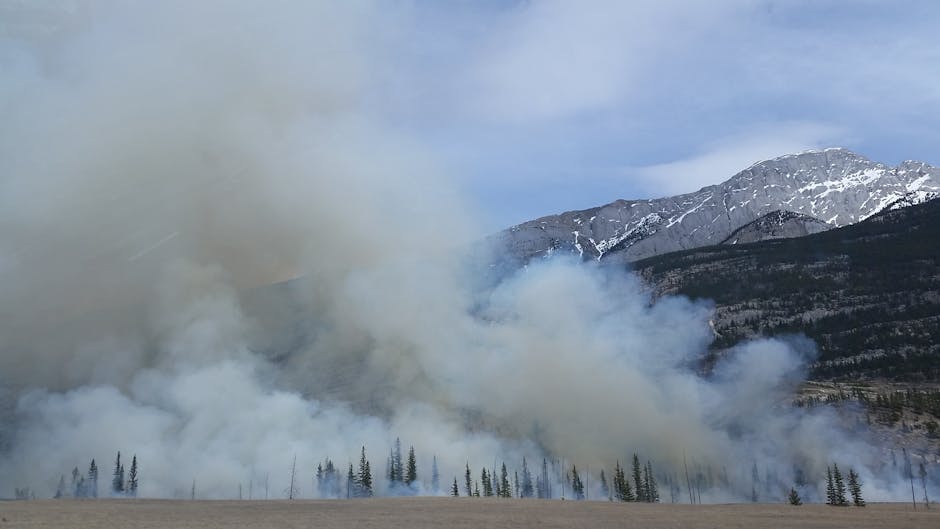
Officials in British Columbia have widened evacuation orders tied to the province's largest active wildfire, the Pear Lake blaze, as fire behaviour continues to intensify. Residents in newly affected areas have been told to leave immediately, joining thousands of others already displaced since the fire broke out.
The expansion comes as crews battle to establish containment lines around the fire's perimeter, with shifting winds and dry conditions making the job increasingly difficult. Local emergency officials say the priority remains getting people out of harm's way before conditions worsen further.
Severe Thunderstorms Add New Risk
Compounding the danger, Environment Canada has issued severe thunderstorm alerts for parts of the province, raising concerns about lightning-sparked ignitions and erratic winds that could push the fire in unpredictable directions. Thunderstorms in wildfire zones are a particular worry for crews, since lightning can spark new fires while gusty outflow winds fan existing ones.
Fire behaviour specialists have warned that the combination of drought-stressed forests and unstable summer weather has created conditions ripe for rapid fire growth across much of B.C. this season, and Pear Lake is now the clearest example of that risk playing out on the ground.
Strain on Emergency Resources
With evacuation orders and alerts stacking up across the province, local governments and the BC Wildfire Service are coordinating shelter space, transportation, and support for displaced residents. Emergency officials have urged anyone in an evacuation zone, or an alert zone bordering one, to have a go-bag ready and to monitor official channels closely, as conditions can change quickly with shifting winds and storm activity.
Provincial and municipal authorities have not indicated when evacuated residents might be able to return, saying the timeline depends heavily on how the fire responds to the incoming weather system.
Why It Matters Beyond B.C.
Wildfire seasons in Western Canada increasingly have effects that stretch across the country, from smoke drifting into other provinces to strain on shared federal emergency resources and the RCMP and Canadian Armed Forces personnel sometimes deployed to help. As fire seasons trend longer and more intense nationally, situations like the one unfolding around Pear Lake serve as a reminder of the resources and coordination required to keep communities safe from coast to coast.
Residents in affected areas are advised to follow instructions from local authorities and check official wildfire and emergency alert services for the latest updates.
Source: CBC News