A New Kind of Energy Rush in Saskatchewan
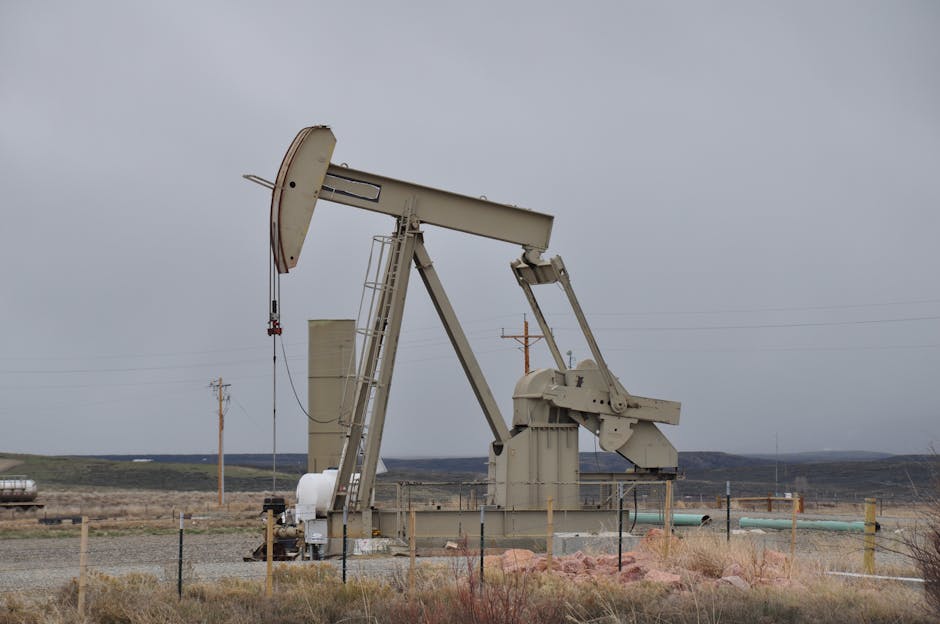
While most of the hydrogen conversation in Canada has centred on expensive industrial processes that split water or reform natural gas, one Saskatchewan company is taking a completely different approach: drilling for it. Max Power is testing whether naturally occurring hydrogen, sometimes called "white hydrogen," can be pulled straight out of the ground in commercially useful volumes.
What Is Natural Hydrogen?
Unlike the hydrogen produced in factories through electrolysis or steam methane reforming, natural hydrogen forms underground through geological processes and can, in theory, be extracted much like natural gas or oil. If it works at scale, proponents argue it could be a far cheaper and cleaner alternative, no massive electricity input required, and none of the carbon emissions tied to traditional "grey" hydrogen production.
That's a big deal for a country like Canada, where hydrogen has been pitched for years as a tool to decarbonize sectors that are notoriously hard to electrify, including steelmaking, cement production, heavy trucking, and rail.
Why This Matters for Canada's Energy Future
Canada has poured significant public and private investment into hydrogen strategies over the past several years, from Alberta's blue hydrogen projects to Quebec's green hydrogen ambitions. But cost has always been the sticking point: producing hydrogen cleanly is expensive, and that expense gets passed down the line to industries trying to decarbonize.
If natural hydrogen drilling proves viable, it could sidestep much of that cost problem entirely. Rather than manufacturing hydrogen through energy-intensive processes, companies like Max Power would simply be extracting a resource that's already there, similar to how the oil and gas sector has operated for decades. That's a familiar playbook for Saskatchewan, a province with deep expertise in resource extraction and drilling infrastructure already in place.
Early Days, But Watch This Space
It's important to note this is still very much a proof-of-concept stage. Max Power is drilling to demonstrate that natural hydrogen exists in extractable quantities and that it can be brought to the surface economically, not yet running full commercial operations. Scientists have only recently begun taking natural hydrogen deposits seriously as a viable energy source, with interest accelerating globally over the past few years, including projects in the United States, France, and Australia.
If Saskatchewan's test drilling pans out, it could position Canada as an early mover in a resource category that's barely been tapped, adding a new tool to the country's clean energy toolkit alongside wind, solar, nuclear, and carbon capture. For a country trying to balance its traditional resource economy with climate commitments, a domestically sourced, lower-cost hydrogen supply would be a welcome development.
For now, the project remains a Saskatchewan story worth watching, one that could ripple outward to energy policy conversations happening across the country, including here in Ottawa where federal energy and climate strategy gets shaped.
Source: CBC News