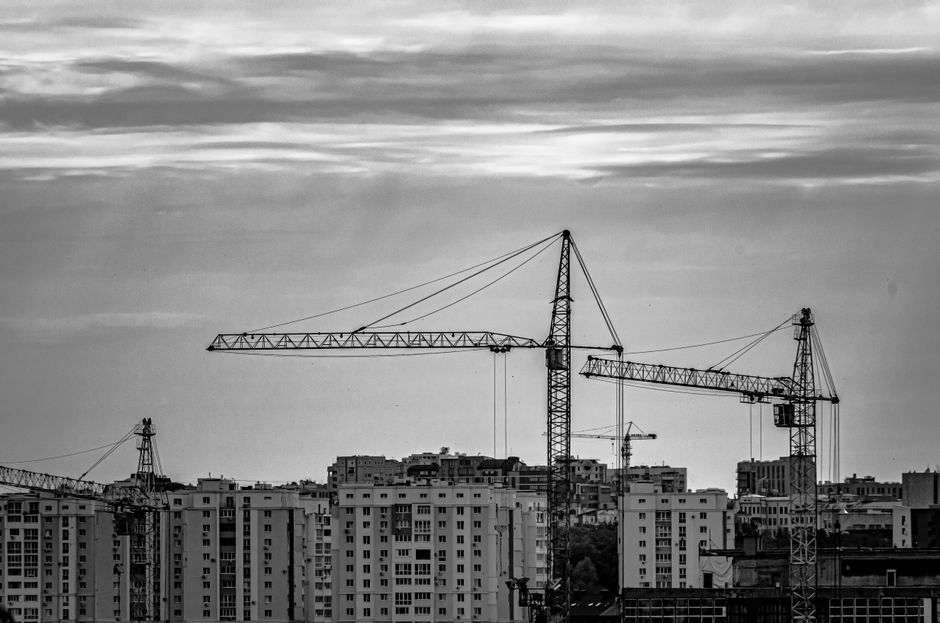
A steep drop in a city that can't afford one
Vancouver's housing starts are down 42 per cent compared to last July, according to new data reported by CBC News, a decline that's raising alarm bells for anyone tracking Canada's ongoing affordability crisis. For a city already infamous for some of the priciest real estate in North America, fewer homes under construction is the last thing the market needs.
A development advocate cited in the report says the drop is a clear signal: building new housing in Vancouver has simply become too costly. Rising land prices, construction costs, financing rates, and municipal fees have all been squeezing developers for years, but a 42 per cent year-over-year decline suggests that squeeze has reached a breaking point for many projects that might otherwise have broken ground.
Why this matters beyond Vancouver
Housing starts are one of the clearest early indicators of what a local housing market will look like two or three years down the road. Fewer starts today means fewer completed homes tomorrow, which in turn means continued upward pressure on both rents and purchase prices in a market that already has some of the least affordable housing in the country.
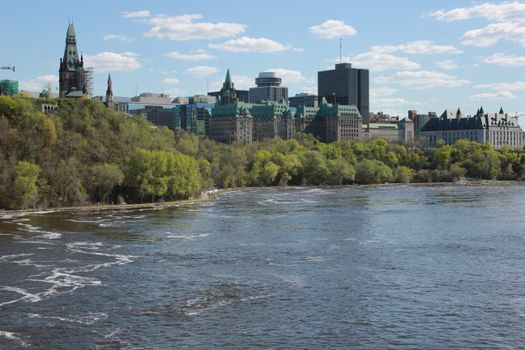
While this particular data point is specific to Vancouver, it echoes a broader, national conversation happening in cities across Canada, including here in the capital. Ottawa has faced its own version of this debate for years, as builders point to development charges, red tape, and financing costs as barriers to getting shovels in the ground fast enough to keep up with population growth and immigration targets.
The federal government has made housing supply a signature policy priority, rolling out billions in funding through programs like the Housing Accelerator Fund to push municipalities toward faster approvals and higher-density zoning. But if a market as large and closely watched as Vancouver's is seeing this kind of slowdown, it raises real questions about whether those measures are moving fast enough to offset the cost pressures developers say are driving the pullback.
What comes next
Development advocates are likely to use numbers like this to push for further relief, whether that's reduced development charges, faster permitting, or additional incentives to make new builds pencil out financially again. For renters and buyers, though, the immediate takeaway is less encouraging: a slowdown in new construction today typically shows up as tighter supply, and higher prices, a few years from now.
It's a reminder that Canada's housing affordability challenges aren't limited to any one province or city. They're a national pattern that keeps surfacing in market after market, even in places with strong underlying housing demand.
Source: CBC News