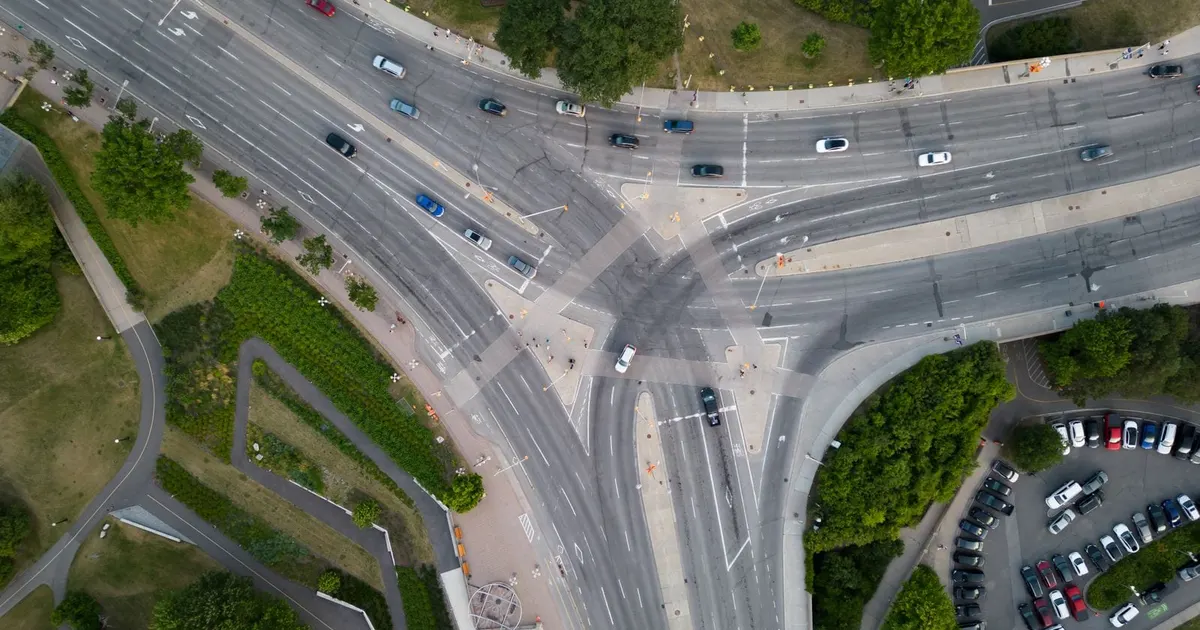
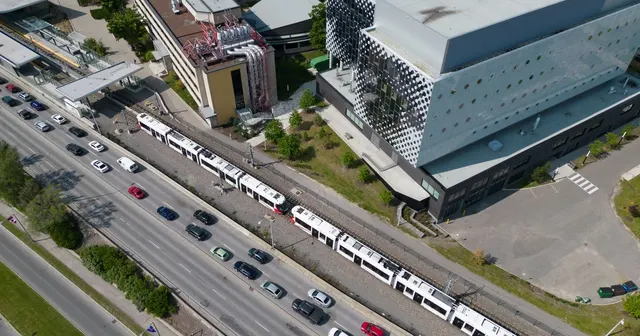
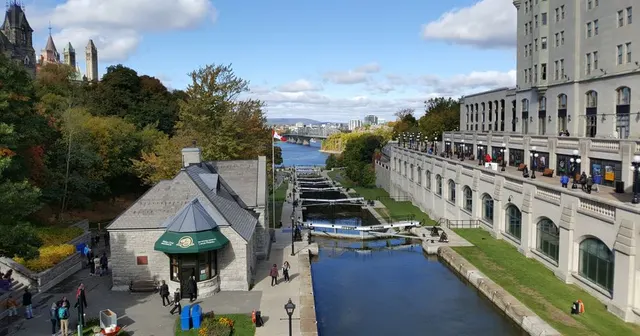
Ottawa is the western end of the first planned Alto high-speed rail segment, and the people running the project are being asked what Quebec's October 5 election means for it. Their answer so far is that the politics are not theirs to settle.
What Alto's leaders said
Alto's board chair, J. Robert S. Prichard, said the company's role is not to deal with elections. "Le rôle d'Alto n'est pas de nous occuper des élections," he said, as reported by Radio-Canada.
Alto vice-chair Marie-José Nadeau pointed questions elsewhere. "Pour toutes questions politiques, c'est vraiment au gouvernement qu'il faut s'adresser," she said.
Why the question is being asked
The federal corporation overseeing the roughly 1,000-kilometre line from Toronto to Quebec City estimates the cost at between $60 billion and $90 billion.
Ottawa's federal government says it will continue
Prime Minister Mark Carney said the project has majority support in polls and that the federal government will continue with it. His words, per Radio-Canada, were "C'est un projet qui a le soutien d'une majorité dans les sondages."
What happens next
There is still a long runway before anything physical happens. Prichard is aiming for a first sod turning in 2029 or 2030. Alto must present a detailed business plan in 2027.
The project's cost will only be specified in 2028 or 2029, shortly before construction is meant to begin. That means the $60 billion to $90 billion range is an estimate, not a final price.
What it means for Ottawa
For readers here, the practical questions are about the Montreal to Ottawa stretch. As ottown's earlier report noted, the exact route and station locations in Ottawa have not been settled. Alto has said a much narrower corridor for that stretch will be discussed in a consultation phase in late 2026.
None of the sources reviewed for this story say what a Quebec withdrawal would mean for the Ottawa leg, and Alto's leaders declined to speculate.
Sources: Radio-Canada, Global News (Canadian Press)