Ottawa's gardeners know the drill by mid-summer: tomatoes stalling, squash blossoms dropping without setting fruit, and berry bushes yielding less than they should. Often, the missing ingredient isn't more water or fertilizer. It's pollinators. Without bees and other pollinating insects doing their quiet work, gardens across the city become less productive, wild plant communities thin out, and the food we grow gets harder, and pricier, to produce.
Why Ottawa Needs More Bee-Friendly Spaces
Ottawa's mix of urban lots, mature tree canopy, and nearby farmland in the Greenbelt makes it a decent habitat for native bees, but development and manicured lawns have chipped away at natural nesting spots. Unlike honeybees, most of Ontario's native bee species, mason bees, leafcutter bees, and other solitary types, don't live in hives. They nest in hollow stems, dead wood, and small holes in the ground. A tidy suburban yard with mulched beds and no dead wood can actually be pretty inhospitable to them.
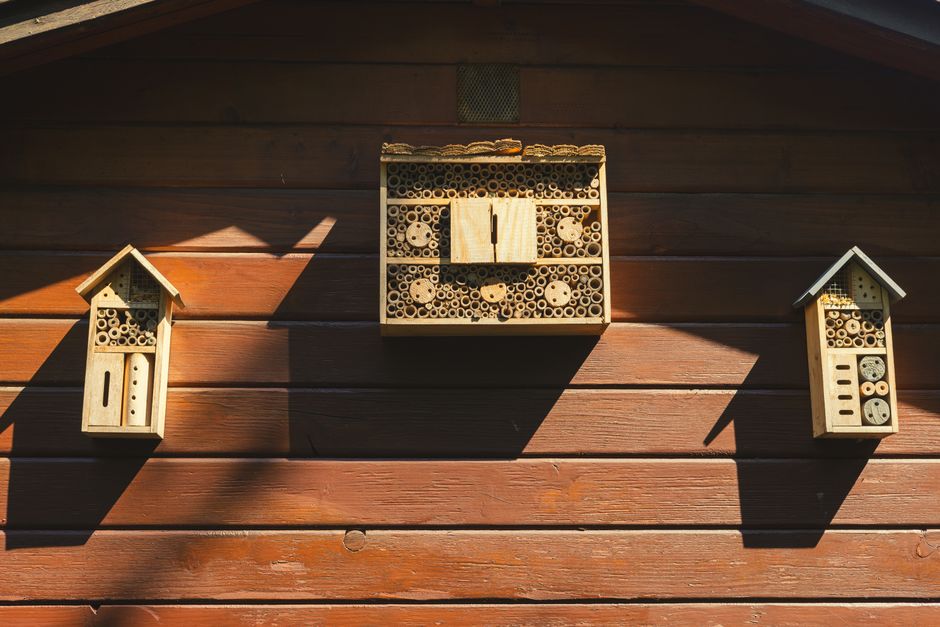
That's where a homemade bee house comes in. It's a small, low-cost project that gives solitary bees a place to lay eggs and overwinter, right in your Ottawa backyard.
What You'll Need
Building a basic bee house doesn't require much: a simple wooden frame or a repurposed box, and a bundle of hollow tubes or drilled wood blocks. Bamboo stakes, paper straws, or cardboard tubes cut to about 15–20 cm work well as nesting cavities. If you're drilling holes into wood blocks instead, aim for a range of diameters between roughly 4mm and 10mm, since different bee species need different sized entrances.
Mount the finished house somewhere it will get morning sun, facing southeast if possible, and keep it sheltered from driving rain, under an eave or angled slightly downward works. Height doesn't matter much; about a metre off the ground is plenty. Local hardware stores and garden centres around Ottawa carry pre-made bee house kits too, if building from scratch isn't your thing.
Ottawa's Growing Interest in Pollinator Gardening
Across neighbourhoods like the Glebe, Westboro, and Old Ottawa South, more homeowners have been swapping strips of lawn for native plant beds and pollinator-friendly gardens in recent years. Community gardens and local horticultural groups have also been pushing pollinator awareness, since Ottawa's food gardens, from backyard vegetable patches to community plots, depend heavily on healthy bee populations to actually produce a harvest.
Adding a bee house is a natural next step for anyone already growing native flowers, herbs, or vegetables. Pair it with a few pollinator-friendly plants, bee balm, native asters, or borage all do well in the Ottawa climate, and you'll likely notice more visitors within a season.
A Small Project With a Big Payoff
It's a modest weekend project, but the impact adds up. More nesting bees in your yard means better pollination for your own garden, and a small contribution to the broader pollinator populations that Ottawa's parks, farms, and green spaces rely on. With food costs remaining a concern for many households, giving pollinators a boost is one of the more practical ways local gardeners can support their own backyard harvests.
Source: Ottawa Citizen