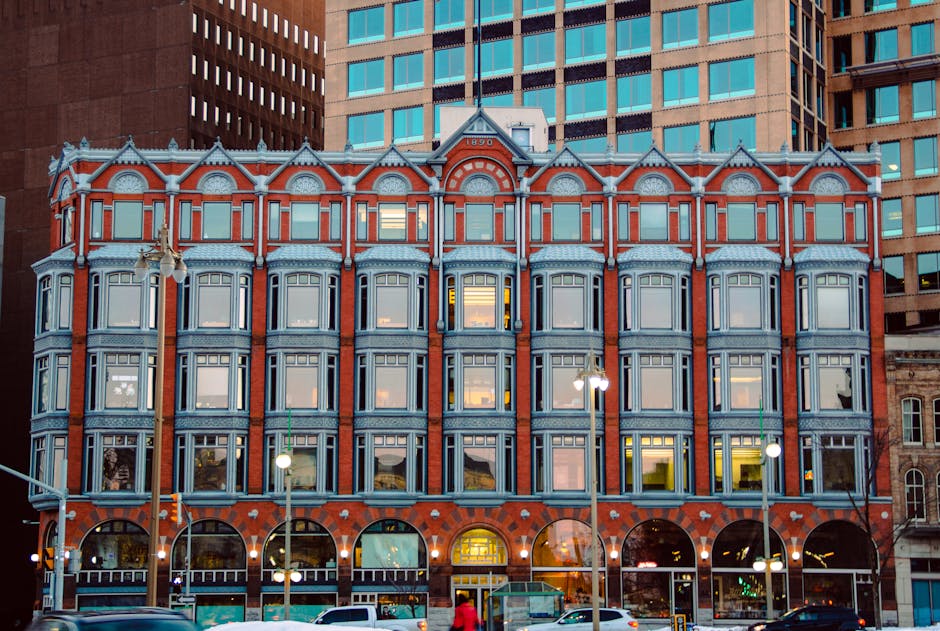
Ottawa is turning to an unlikely resource in its fight against family homelessness: a former hotel. The building on O'Connor Street, once used for short-term stays, is being repurposed to house more than 120 families as they work toward stable housing, rather than cycling through the city's already-strained shelter system.
A Different Approach to an Ottawa Housing Crisis
For years, Ottawa's shelters have struggled to keep pace with demand, and families with kids are often among the hardest to place, since they need more space and stability than a typical shelter bed can offer. By converting a hotel into transitional housing, the city and its partners are aiming to give these families a private, self-contained space to live in while they search for permanent housing, sidestepping the shelter system altogether.
The move reflects a broader shift happening in cities across Canada, where hotels and motels that struggled during and after the pandemic have found new life as emergency or transitional housing. For Ottawa, the O'Connor Street site offers a chance to add capacity quickly, without the years-long timelines that come with building new housing from the ground up.
Why This Matters for Ottawa Families
Homelessness among families in Ottawa has been a growing concern, with local shelters frequently reporting they're over capacity. Families who end up in the shelter system often face long waits before they can move into permanent housing, all while trying to hold together routines for their kids, school, meals, stability.
Housing more than 120 families in one location built for hospitality, rather than emergency housing, is a significant scale-up for the city. It signals that officials see this as more than a stopgap: it's meant to function as a genuine bridge between homelessness and permanent housing, with the explicit goal of preventing families from entering the shelter system in the first place.
What Happens Next
For families who move into the O'Connor Street building, the hope is that the transition will be smoother than a traditional shelter stay, more privacy, more stability, and a clearer path toward finding a permanent home. Whether the model succeeds will likely shape how Ottawa approaches similar conversions in the future, as the city continues to look for creative ways to expand its housing capacity without waiting on new construction.
Ottawa residents watching the city's housing and homelessness response closely will want to keep an eye on how this pilot performs, if it works, it could become a template for other underused buildings across the city.
Source: CBC Ottawa