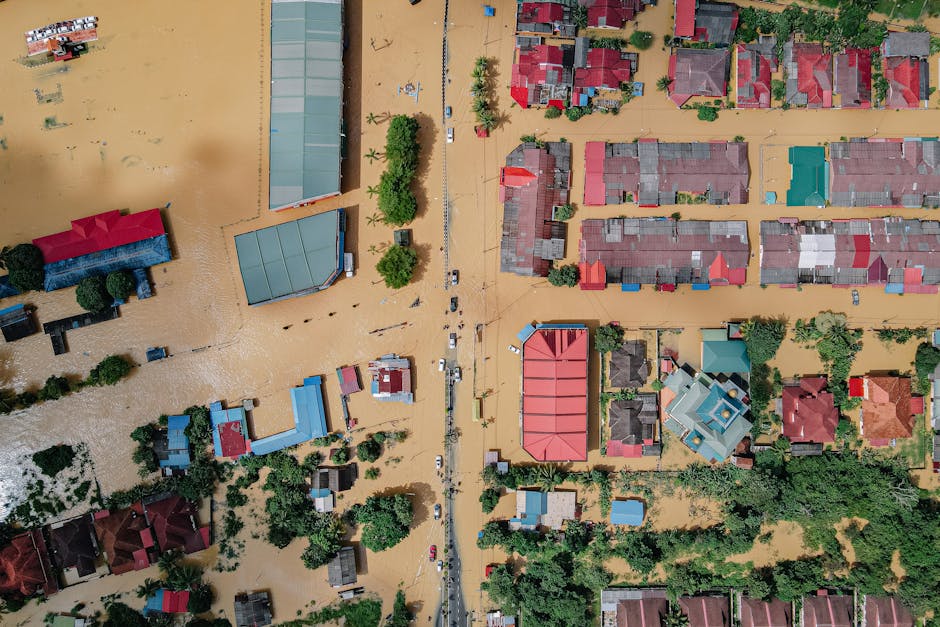
Ottawa homeowners are increasingly worried that the city's infill housing boom is quietly reshaping how water moves through older neighbourhoods, and not for the better.
The concern surfaced in a recent round of letters to the editor published in the Ottawa Citizen, where residents argued that new infill construction is contributing to a rise in localized flooding. The core complaint: as older single-family lots are redeveloped into larger homes, semi-detached units, or multiplexes, more of the ground that once absorbed rainwater gets covered over with roofing, driveways, and hard landscaping.
Why infill changes the water equation
Infill housing has become one of the defining features of growth in mature Ottawa neighbourhoods over the past several years, as the city pushes to add density without expanding its footprint outward. But letter writers point out that every new infill project effectively swaps permeable lawn and garden space for impermeable surfaces. When heavy rain falls, that water has fewer places to soak into the ground and instead runs off toward the street, neighbouring yards, or aging municipal stormwater systems that weren't necessarily designed with today's building density in mind.
For residents in established Ottawa communities, the result can be wetter basements, pooling water on sidewalks and roads, and added strain on stormwater infrastructure during intense storms, the kind of short, heavy downpours that have become more frequent in the Ottawa area in recent summers.
An Ottawa-specific pressure point
This isn't a hypothetical concern for the city. Ottawa has spent years encouraging intensification in its inner neighbourhoods as part of its broader housing and planning strategy, aiming to fit more homes into areas that already have roads, transit, and services in place. Letter writers argue that this policy direction needs to be paired with a harder look at stormwater management on a lot-by-lot basis, rather than treating each infill project as an isolated case.
The letters don't spell out a single fix, but the underlying message from residents is consistent: as Ottawa continues to approve infill development to address its housing shortage, planners and builders need to account for where all that displaced rainwater is supposed to go.
What residents are asking for
At the heart of the letters is a call for more scrutiny of how individual infill projects affect drainage on a given street, not just on the property being redeveloped. For homeowners who've watched a neighbouring lot go from a single bungalow with a grassy yard to a much larger home with paved surfaces edge-to-edge, the flooding worry is a tangible, everyday concern tied directly to changes happening on their own block.
As Ottawa keeps building up rather than out, the debate over infill and flooding is likely to keep showing up in the city's letters pages, a reminder that housing growth and stormwater capacity are two sides of the same planning conversation.
Source: Ottawa Citizen, Letters to the Editor