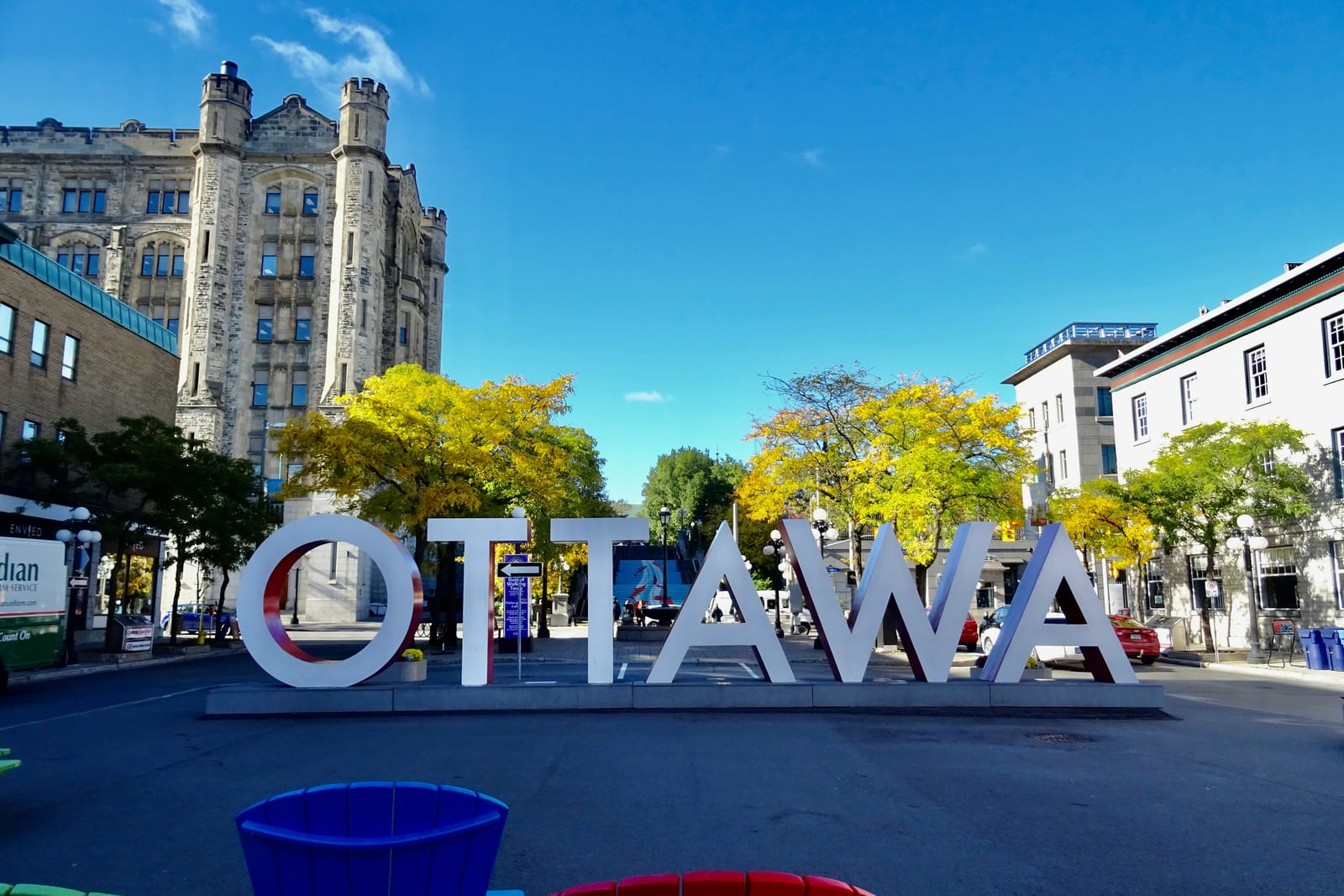
Ottawa residents weigh in on a controversial idea
Ottawa is one of many Canadian cities grappling with how to respond to a visible and persistent addiction crisis, and a new national poll suggests a significant share of residents here are open to a controversial solution: involuntary addiction treatment. According to polling reported by iPolitics, more than 40 per cent of respondents in the Ottawa area said they would support measures that compel people struggling with severe addiction into treatment, even without their consent.
Why this matters for Ottawa
Walk through parts of downtown Ottawa, the ByWard Market, or along sections of Rideau Street, and it's hard to miss the visible toll of the opioid crisis and chronic homelessness. City councillors and Ottawa Public Health have spent years debating supervised consumption sites, encampment responses, and shelter capacity, often without consensus on the right approach. This poll adds new data to that ongoing local conversation, suggesting that a substantial chunk of Ottawa's population sees the current voluntary-only system as insufficient.
The debate over involuntary treatment isn't new in Ontario. Other provinces, including British Columbia and Alberta, have moved toward compulsory care models for people deemed unable to make decisions about their own safety due to addiction or mental health crises. Ontario has faced growing pressure to consider similar legislation, and Ottawa, as the provincial and national capital, often finds itself at the centre of these policy discussions given its concentration of both federal decision-makers and frontline social service providers.
A divided city, a divided debate
While the poll shows more than 40 per cent supportive of involuntary treatment, that also means a majority of respondents are not fully on board, reflecting a broader split seen among Ottawa's harm-reduction advocates, healthcare workers, and residents frustrated by public disorder. Groups like the Ottawa Inner City Health and local harm-reduction organizations have historically argued that forcing treatment on people can backfire, driving vulnerable populations away from services rather than toward recovery. On the other side, some residents and business owners in areas hit hardest by open drug use argue that voluntary programs alone haven't kept pace with the scale of the crisis.
Ottawa city council has previously grappled with similar tensions when discussing encampment clearances and the future of supervised consumption sites near Somerset West Community Health Centre. Any shift toward involuntary treatment policy would likely need to come from the provincial government, but local politicians and public health officials in Ottawa would be on the front lines of implementing, or resisting, such a change.
What comes next
With addiction and homelessness remaining top-of-mind issues heading into future municipal and provincial budget cycles, expect this poll to fuel further debate at Ottawa City Hall and in the legislature at Queen's Park. Whether the city moves toward more compulsory intervention models or continues to invest in voluntary, harm-reduction-based care, the numbers suggest Ottawa residents themselves are far from a unified stance on the issue.
Source: iPolitics, via Google News