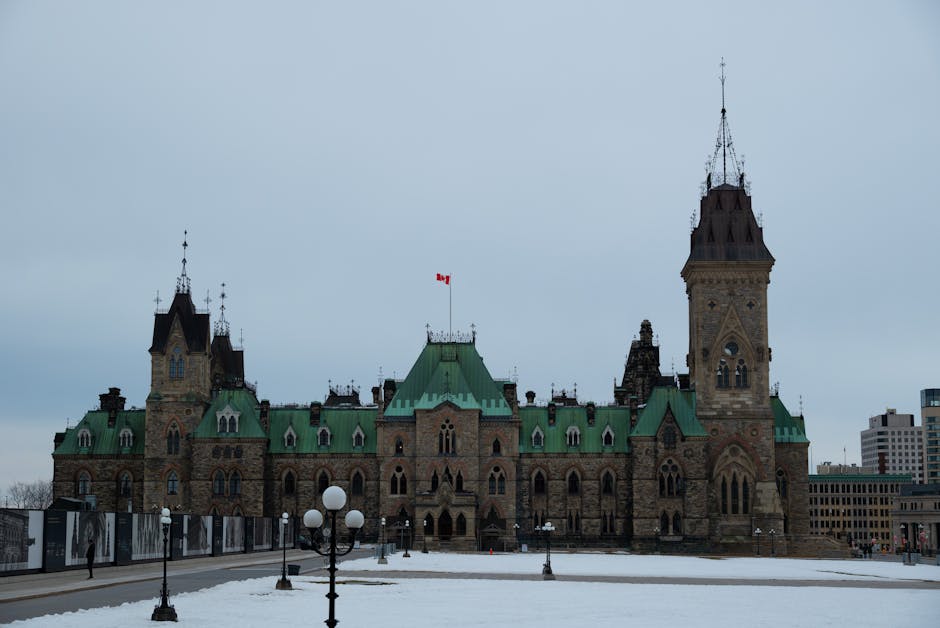
Ottawa is once again at the table as Ontario municipalities revive their push for a "new deal" with the province, a call for more predictable funding and greater fiscal flexibility as cities across the region grapple with tightening budgets.
Why Municipalities Are Pushing Back
Like many Ontario cities, Ottawa relies heavily on property taxes to fund everything from road repairs to transit to social services, a revenue model that municipal leaders have long argued is out of step with the scale of responsibilities downloaded onto local governments. Ontario's municipalities, through groups like the Association of Municipalities of Ontario (AMO), have been pressing Queen's Park for a more sustainable funding framework, one that could include a share of provincial sales or income tax revenue rather than leaving cities dependent on property tax hikes alone.
For Ottawa, the stakes are significant. The city has faced its own budget pressures in recent years, balancing investments in LRT expansion, road and sewer infrastructure, affordable housing, and transit service against a tax base that many councillors argue can't keep pace with growth and inflation. A renewed provincial funding arrangement could ease some of that strain, giving City Hall more room to maintain services without leaning as hard on residential property taxes.
What a 'New Deal' Could Mean for Ottawa Residents
The idea of a new fiscal arrangement between Ontario and its municipalities isn't new. It echoes similar deals struck in other provinces and the federal "new deal for cities" conversations that have surfaced periodically over the past two decades. For Ottawa, a more diversified revenue stream could translate into steadier funding for transit, affordable housing initiatives, and infrastructure repair without residents seeing dramatic annual property tax increases.
Ottawa's transit system, in particular, has been a frequent flashpoint in municipal budget debates, with OC Transpo facing ridership recovery challenges and rising operating costs since the pandemic. Advocates for a new funding deal argue that predictable, diversified provincial support would let the city plan multi-year transit and infrastructure investments with more confidence, rather than reacting year to year.
The Bigger Picture
Ottawa's participation in this renewed push places it alongside other major Ontario cities, including Toronto, Hamilton, and London. That have all voiced similar concerns about the sustainability of the current municipal funding model. Whether the province responds with concrete policy changes remains to be seen, but the conversation is likely to feature prominently in upcoming municipal-provincial budget discussions.
For Ottawa residents, the outcome could shape how the city funds everything from road maintenance to community services in the years ahead. City council and Mayor's office watchers should expect this issue to resurface as Ontario's 2026 budget cycle unfolds.
Source: QP Briefing via Google News