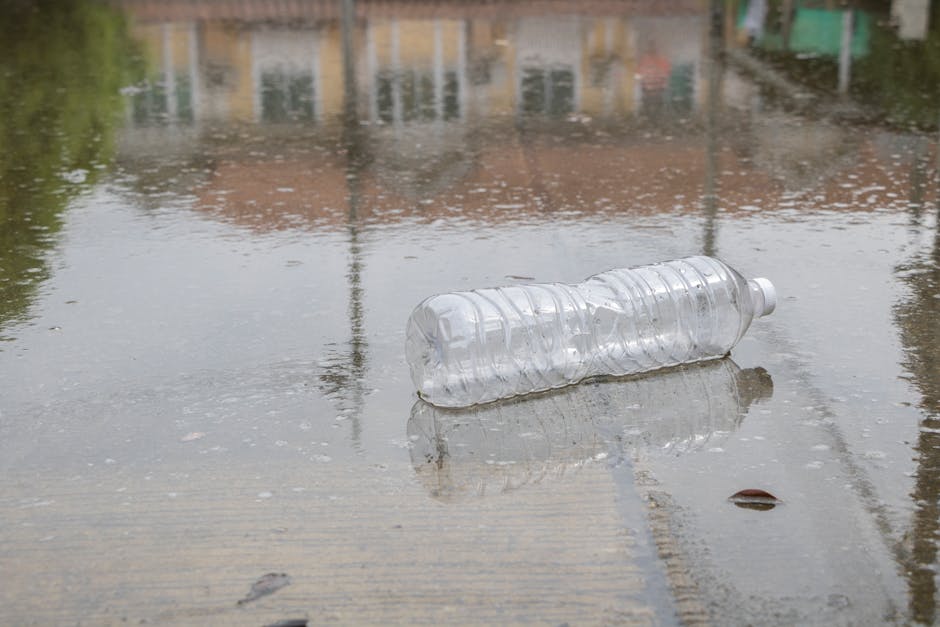
Ottawa is rolling out a pilot project that could change the way the city handles heavy rain, and it starts with the pavement under your feet. According to a report from CTV News, the city is testing permeable pavement as a way to prevent the kind of flooding that has become an increasingly familiar headache for Ottawa residents in recent years.
What Is Permeable Pavement?
Unlike traditional asphalt or concrete, permeable pavement is designed with a porous structure that allows rainwater to seep directly through the surface and into the ground below, rather than pooling on top or rushing into storm drains. In theory, that means less water overwhelming the city's sewer systems during intense storms, a growing problem as climate change brings more frequent and severe rainfall to the region.
Why Ottawa Needs This
Ottawa's aging stormwater infrastructure has struggled to keep pace with heavier rain events. When too much water hits impermeable surfaces like roads, sidewalks, and parking lots all at once, it has nowhere to go except into the sewer system, and when that system is overwhelmed, the result is basement flooding, overflowing catch basins, and pooled water on streets. Neighbourhoods across the city have dealt with these issues during summer storms, and officials have been searching for solutions beyond simply upgrading pipes underground.
Permeable pavement offers a different approach: rather than moving water away faster, it lets water absorb closer to where it falls. That reduces the volume rushing into the sewer network in the first place, which could ease pressure on the system during peak storm events.
The Pilot Project
The pilot is a test case for the city to see how well the technology performs under real Ottawa conditions, including its notoriously tough winters, where freeze-thaw cycles and road salt can be hard on infrastructure. If the porous surface holds up and proves effective at reducing runoff, it could pave the way (literally) for wider adoption across the city in areas prone to flooding.
Cities across North America have experimented with similar green infrastructure, including permeable pavement, rain gardens, and bioswales, as climate change forces municipalities to rethink stormwater management. Ottawa's pilot puts the city among those exploring whether smarter surfaces can complement, or even reduce reliance on, traditional grey infrastructure like pipes and retention ponds.
What It Means for Residents
For Ottawa homeowners who've dealt with water in their basements after a summer downpour, any progress on flood prevention is welcome news. While a single pilot project won't solve the city's stormwater challenges overnight, it represents a tangible step toward more resilient infrastructure, and a signal that the city is willing to try new approaches as extreme weather becomes more common.
Residents interested in following the project's progress can keep an eye on city announcements as officials evaluate the pilot's performance through different seasons, particularly Ottawa's harsh winter conditions, before deciding on next steps.
Source: CTV News Ottawa