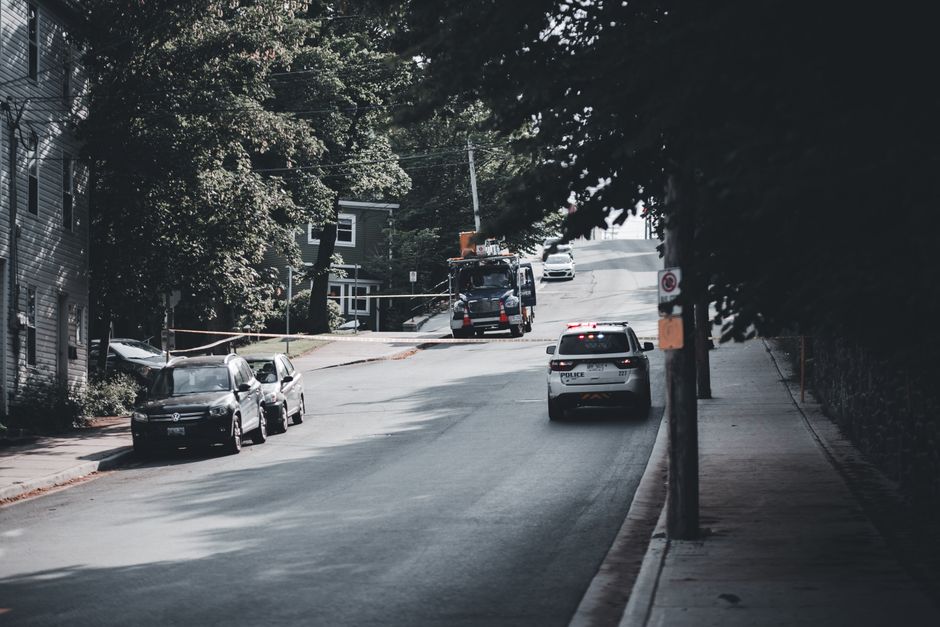
Ottawa's police force is facing renewed calls to equip every front-line officer with a body-worn camera after a coroner's inquest jury handed down its recommendations this week, following a six-day inquest into the 2017 death of Raymond Alliman.
What happened
Alliman died in a ByWard Market parking garage in 2017, and the circumstances of his death were the subject of the inquest, which wrapped up after six days of testimony and evidence. At the end of the process, the jury returned four recommendations aimed at preventing similar deaths in the future, chief among them a call for the Ottawa Police Service to outfit all front-line officers with body cameras.
Coroner's inquests in Ontario are held to examine the circumstances surrounding a death and to issue recommendations, rather than to assign blame or lay charges. Juries hear evidence from witnesses, investigators, and experts before deliberating on findings meant to prevent similar tragedies going forward. The recommendations themselves are not legally binding, but police services and other agencies named in inquest findings are typically expected to respond publicly to each one.
Why it matters for Ottawa
Body-worn cameras have been a recurring topic of debate in Ottawa policing circles for years, with advocates arguing that they improve transparency and provide an objective record of interactions between officers and the public, particularly in high-stakes encounters. Critics of the current setup have long pointed to the ByWard Market, one of the city's busiest nightlife and pedestrian districts, as an area where clearer documentation of police interactions could help build public trust.
For Ottawa residents, the case is a reminder that incidents in the city's downtown core, including in spaces like parking garages that see heavy foot traffic on weekend nights, can carry consequences that play out in the justice system years later. The Alliman inquest is also likely to reignite conversation at Ottawa Police Services Board meetings about the cost and logistics of a body camera rollout across the force, an idea that has been studied in various forms by Canadian police services for close to a decade.
What's next
It will now be up to the Ottawa Police Service to determine whether, and how. It implements the jury's recommendations, including the push for widespread body camera use. Given the non-binding nature of inquest findings, any formal policy change would likely require sign-off from the police board and could take months or longer to materialize, if it happens at all.
Source: Ottawa Citizen