Ottawa gardeners know the frustration all too well: you plant a row of lettuce or beans, and three weeks later you're suddenly drowning in more produce than you can eat, freeze, or give away, followed by weeks of nothing. That boom-and-bust cycle is exactly what succession gardening is designed to fix, and it's a technique worth knowing if you've got a backyard plot, a community garden bed, or even a few containers on a Centretown balcony.
What Succession Gardening Actually Means
The idea is simple: instead of sowing an entire crop at once, you plant smaller batches at staggered intervals throughout the season. Rather than one giant harvest of radishes or cucumbers that overwhelms your kitchen counter, you get a steady, manageable trickle of fresh produce from late spring until the first hard frost. It's less about growing more and more about growing smarter, spacing out the workload of harvesting, and the workload of eating everything before it goes bad.
Why It Matters More in a Place Like Ottawa
Ottawa's growing season is short and can be unpredictable, generally running from the danger of late frosts in May to the risk of the first fall frost arriving by early-to-mid October. That narrow window makes timing especially important for local gardeners. Succession planting helps make the most of it, instead of losing weeks of potential harvest to a single all-at-once planting, gardeners can keep beds productive continuously, right up until the weather finally turns.
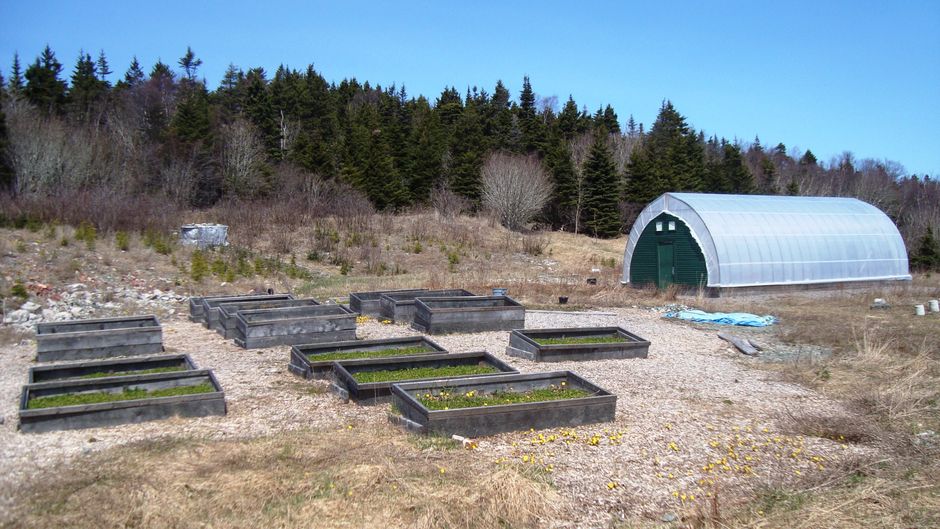
This is also a technique well suited to Ottawa's community garden culture. With plots at spots like the Ottawa Community Housing gardens, Fletcher Wildlife Garden, adjacent allotments, or neighbourhood association plots often shared or tightly spaced, succession planting lets gardeners maximize a small footprint without needing more land. A single 4x8 raised bed can produce lettuce, radishes, beans, and greens in rotating waves rather than one crowded, short-lived flush.
Getting Started
Fast-maturing, cool-season crops are the easiest entry point for succession planting in this climate. Think lettuce, spinach, radishes, and bush beans, all crops that mature quickly enough to allow for multiple plantings before the season ends. A common approach is to sow a new short row every two to three weeks rather than planting the whole bed in one go. As one planting is harvested, the next is already coming up behind it, and there's often still time to slot in a fresh round before the space is needed for something else.
Some Ottawa gardeners also use succession planting to bridge seasons, starting cool-tolerant greens in early spring, switching to heat-lovers like beans or cucumbers in summer, then circling back to quick-growing greens again once the late-summer heat breaks and cooler fall weather returns.
The Payoff
For Ottawa's home gardeners and allotment growers, the appeal is obvious: less waste, less of that overwhelming end of a season, and a longer window of actually enjoying homegrown food instead of processing it in a panic. It takes a bit more planning than a single spring planting day, but for anyone tending a garden in this city's compressed growing season, it's one of the simplest ways to get more out of the same patch of soil.
Source: Ottawa Citizen