Google has officially launched Android 17, its biggest mobile software update of the year, alongside Wear OS 7 for smartwatches. The release pairs a long list of new features with a Pixel Drop that brings Google's newest AI models to its own devices, and it signals where the company wants to take its ecosystem next.
What's new in Android 17
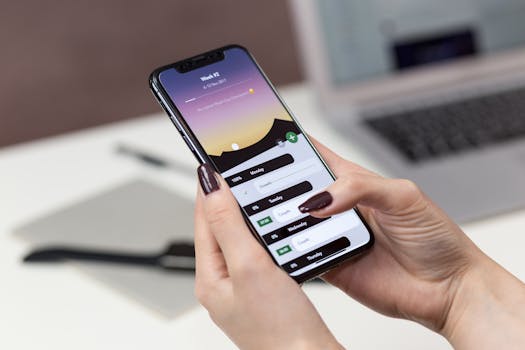
The headline changes centre on multitasking. Android 17 introduces new tools designed to make juggling apps faster and more intuitive, a long-standing pain point for power users who want their phones to behave a little more like laptops. Google is also leaning into productivity across larger screens, where Android has historically lagged behind the competition.
Security gets a meaningful boost too. The update ships with new protective tools aimed at keeping users safer from scams, malicious apps, and data leaks, an area Google has increasingly emphasized as mobile threats grow more sophisticated.
Parents are getting attention as well. Android 17 adds expanded parental controls, giving families more granular ways to manage screen time, app access, and what kids can do on shared or supervised devices.
Gemini goes everywhere
The most consequential thread running through this launch is artificial intelligence. Google is using Android 17 and the accompanying Pixel Drop to push its latest Gemini models further into the operating system. That means more on-device and cloud-assisted AI features baked directly into the phone experience, rather than tucked away in a single app.
For Pixel owners, the Drop delivers Google's newest AI capabilities first, reinforcing the company's strategy of using its own hardware as a showcase for what Android can do when software and silicon are tuned together. Expect smarter assistance, better contextual suggestions, and AI woven into everyday tasks like messaging, photos, and search.
Wear OS 7 and the smartwatch upgrade
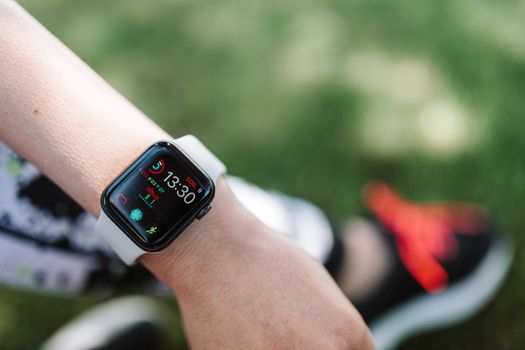
Google didn't leave wearables behind. Wear OS 7 launches alongside Android 17, bringing smartwatch upgrades that aim to improve performance, battery life, and the overall experience on the wrist. As more of Google's AI ambitions extend to wearables, a stronger Wear OS foundation matters. It positions smartwatches as another surface for Gemini-powered features rather than just notification mirrors.
Why this launch matters
Taken together, Android 17, Wear OS 7, and the Pixel Drop represent more than a routine annual refresh. They reflect Google's push to make AI a default, ambient part of how people use their devices, from phones to watches. Multitasking and security improvements address practical, everyday complaints, while the Gemini expansion is a bet on the future, one where the assistant is always within reach and increasingly capable.
The rollout will reach Pixel devices first, with other Android manufacturers expected to follow on their own timelines, as is typical for major Android releases. For the billions of people running Android worldwide, it's a preview of the AI-forward direction the platform is heading.
Source: TechCrunch.